

For decades, the small, hand-rolled paper tube or the pre-cut filter were the indispensable companions of the joint. But in recent years, a new accessory has been making its way into specialty shops and onto social media: the glass filter.
Reusable, stylish, often decorated, and colorful, it’s winning over more and more enthusiasts who want to combine style, comfort, and a more eco-friendly approach. But beyond the trend, what is this accessory really worth when it comes to enjoying the best feminized strains SILENT SEEDS ? Here’s an overview of its advantages, its limitations, and useful tips for using it effectively.
What is a glass filter?
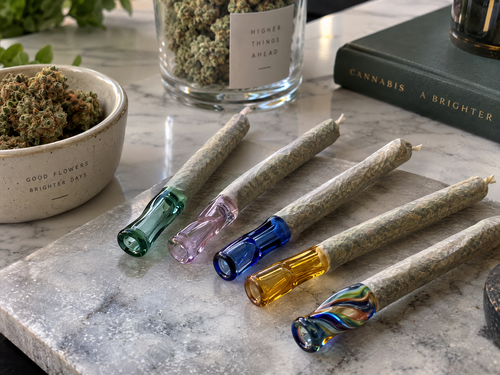
A glass filter, also known as a glass tip, is a small glass tube that is placed at the end of a joint, in place of the traditional paper filter. It is inserted while rolling the joint and remains in place until the end of the session.
Most models are made of borosilicate glass, the same type used for laboratory glassware and oven-safe dishes. This material is resistant to temperature changes and does not impart any taste.
Today, there is a wide variety of them:
- Classic round styles—simple and understated.
- Flat models, which replicate the sensation of a cardboard filter between the lips.
- Models with patterns or an inner spiral, designed to slow the flow of smoke.
- These decorated, colorful, sculpted, or personalized models are true little collector's items.
Their diameter generally ranges from about 6 to 9 mm. The choice depends on the size of the joints you usually roll.
Why has it been so successful?
Reusable and more eco-friendly. A single glass filter can replace hundreds of paper filters. Less waste, fewer repeat purchases: a selling point that resonates with a generation concerned about its environmental impact.
A purer taste. Glass is neutral: it doesn’t add any aftertaste of paper or burnt cardboard. Connoisseurs of aromatic strains appreciate being able to experience the terpene profile without any interference.
Smoke that feels cooler. The glass conducts little heat to the lips and slightly lengthens the smoke's path, making it feel a little less hot in the mouth.
A joint that keeps its shape. The rigid glass filter won't crush or soften when exposed to moisture. The draw remains consistent from start to finish.
A joint smoked all the way to the end. With a sturdy filter, you can finish the joint without burning your fingers or lips.
A stylish accessory. With its colors, shapes, and handcrafted finishes, the glass filter has become a personal “lifestyle” accessory—almost like a piece of jewelry—that people proudly showcase on social media. It’s also a popular gift idea.
Limitations and Common Misconceptions
A “filter” that doesn’t really filter. Despite its name, the glass filter does not trap tar or toxic substances from the smoke. It serves primarily as a mouthpiece, just like the paper filter it replaces. It therefore does not make smoking any healthier: smoking, regardless of the method, remains harmful to the lungs.
A fragile object. Dropping it on a hard surface can be enough to break it. A chipped glass can also cut your lips: a damaged filter must be thrown away.
Essential maintenance. Resin builds up inside the device over time. Without regular cleaning, the draw deteriorates and the taste becomes harsh.
It's a matter of hygiene. Sharing a glass bong means sharing a mouthpiece that goes from mouth to mouth. It's better to have your own and clean it regularly.
A higher purchase price. Expect to pay a few euros for a simple model, and much more for a handcrafted piece. It’s an investment that pays for itself quickly—as long as you don’t break or lose it.
Glass, Cardboard, or Activated Carbon: A Comparison
| Criterion | Glass filter | Cardboard filter | Activated carbon filter |
|---|---|---|---|
| Service Life | Reusable hundreds of times | Single-use | Single-use |
| Taste | Neutral | Slight cardboard taste | Slightly softened |
| Filtration | None | None | Partial, according to the manufacturers |
| Freshness of the Smoke | Good | Average | Good |
| Interview | Regular Cleaning | None | None |
| Waste | Very low | Important | Important |
| Cost | Higher upfront cost, but cost-effective in the long run | Very low per unit | Higher per unit |
| Style | Powerful, customizable | Basic | Basic |
Each option meets different needs. Cardboard remains the simplest and least expensive option; activated charcoal relies on partial filtration, the actual effectiveness of which remains a subject of debate; and glass appeals for its durability, neutral taste, and aesthetic appeal. The opinion of the team SILENT SEEDSis that we believe it’s more of a stylistic accessory to express one’s personal style than an effective device that truly adds value to the tasting experience. The smoke may be slightly freshened, but—to be completely honest and transparent with the community—after several tests conducted in different configurations, we didn’t notice any significant difference in the final result.
Choosing the Right Glass Filter
- The material. Choose borosilicate glass, which is more resistant to thermal shock and is tasteless. Be wary of very cheap models of unknown origin.
- Diameter. Choose it based on your preferences: a narrow diameter for thin joints, a wider one for thicker joints. Some brands offer sets with multiple sizes.
- The shape. Round for simplicity, flat to recreate the feel of cardboard, spiral, or patterned for a fresher smoke.
- Glass thickness. Thicker glass is more resistant to breakage and conducts less heat.
- The finish. Smoothly polished edges, with no sharp edges or bubbles: this ensures quality and comfort for the lips.
- Style. Whether it’s clear, colored, engraved, or crafted by a glassblower—that’s where the accessory becomes personal.
Use and Maintenance
Instructions for use. Place the filter at the end of the paper before rolling, just like a regular filter, then roll the paper around it, pressing gently to keep it in place. When you’re done, let the mouthpiece cool for a few moments before removing it: the glass may get hot near the embers.
Cleaning. Regular maintenance—ideally after a few uses—keeps the flavor intact and ensures a smooth draw:
- Soak the filter in isopropyl alcohol, possibly with a little coarse salt for an abrasive effect;
- Gently shake it in a small, sealed container, or run a pipe cleaner through it;
- Rinse thoroughly with hot water;
- Let it dry completely before using it again.
For a gentler cleaning method, very hot water with a little white vinegar or baking soda added also works—though it requires a little more patience.
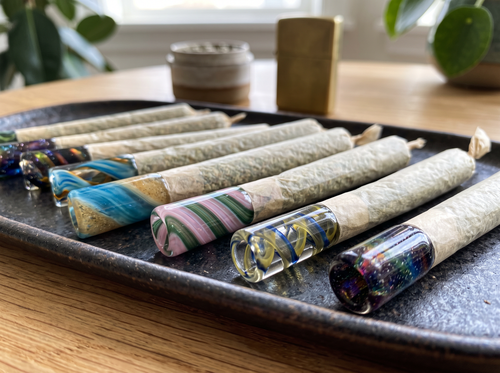
Storage. Store your filter in a case or a small, rigid box to protect it from impacts, dust, and loss. Inspect it regularly: if you notice even the slightest crack or chip, replace it.
Conclusion
Reusable, flavor-neutral, and highly customizable, the glass filter checks all the boxes for a trendy accessory. It reduces waste, preserves flavors, and adds a touch of style to every session.
However, it’s important to approach it with realistic expectations: despite its name, it doesn’t filter smoke or make smoking any less harmful. When chosen wisely, well-maintained, and stored carefully, it remains a durable and elegant companion for connoisseurs who appreciate beautiful objects for the enjoyment of tobacco.
Reminder: In France, the use of cannabis containing THC is prohibited. Smoking, regardless of the method, is harmful to your health. This article is provided for informational purposes only.