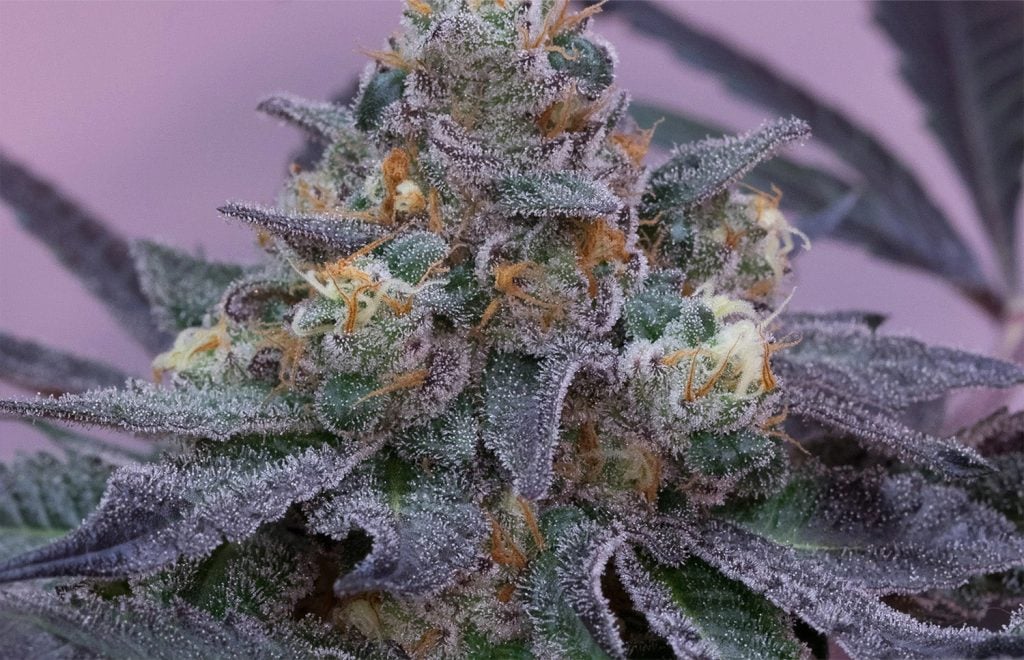
- Botrytis is a fungus that frequently affects cannabis crops. As with the vast majority of fungi or fungal diseases, it is often better to prevent their occurrence than to have to deal with them once they appear.
- This fungus thrives in high humidity and is also opportunistic, as it uses certain animals or insects as vectors to ultimately continue its development or spread to your cannabis plants.
1. What exactly is botrytis, or gray mold, in cannabis plants?
2. How can you prevent botrytis from developing in a cannabis crop?
3. The Importance of Keeping Tools and the Growing Area Clean
4. Keep insects away from cannabis plants
5. How can you identify botrytis in a cannabis crop?
6. How do you get rid of botrytis?
Botrytis is a pathogenic fungus also known as “gray mold, ” It is simply a fungal disease that can affect your cannabis plants at any time, although certain weather conditions favor its onset and spread, such as high humidity—which can be caused by heavy fall rains or sudden changes in outdoor temperature.
The flowering stage is a delicate period, especially when growing outdoors, because our precious, high-quality buds could suffer lasting damage at any moment. Aside from weather conditions, there are other factors that can contribute to the potential onset of botrytis, such as the presence of insects —like caterpillars—near the plants, since their excrement promotes the presence and development of this fungal disease.
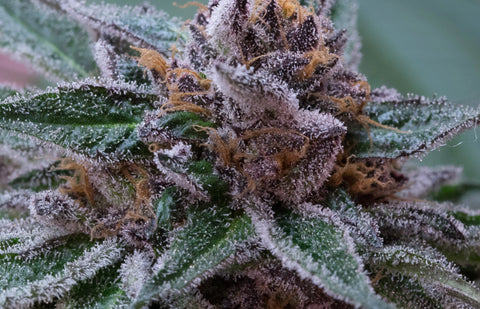
Once the fungus has taken hold, it’s not that easy to get rid of it. It’s always best to prevent fungal diseases such as powdery mildew, downy mildew, Fusarium, or Alternaria from infecting our cannabis plants. Learning to recognize and distinguish these fungal diseases is essential for any serious grower, since downy mildew and powdery mildew share some similarities in their characteristics, yet they are quite different.
That is why you should always use high-quality soil, taking care to maintain soil health and root health. If you see spots appearing on the leaves, it’s always a sign that something is wrong. This may indicate certain nutrient deficiencies or be a sign of visible mold.
One thing is certain: the damage caused by all of these pests can have serious consequences if not addressed in time. However, we’re providing some crucial tips that should help you prevent botrytis and then eliminate it permanently, while protecting your harvest.
What exactly is botrytis, or gray mold, in cannabis plants?
Botrytis is, without a doubt, one of the most common fungi encountered in cannabis cultivation. Gray mold most often develops from plant debris—such as the remains of roots, stems, leaves, or even dried flowers—that litter the ground. The mycelium—the vegetative part of the fungus, whose main role is to facilitate feeding—is present within these plant debris.
Consequently, if the temperature rises, fungi or mold will grow easily. This is also why spring and fall are the two times of year most conducive to the development of botrytis. This makes sense, since rainfall is very heavy during these two seasons, which naturally increases the risk of various types of mold forming.
During the day, the mycelium develops fungal structures called conidiophores. The conidia—the spores produced by these structures—are located at the tips of the conidiophores and are carried by the wind until they reach the leaves, stems, and flowers, where they eventually attach themselves and continue their development or spread. Botrytis spores can remain dormant (in a state of latency) for many years without showing any symptoms, until favorable weather conditions finally arise, allowing them to reproduce and spread to new hosts.
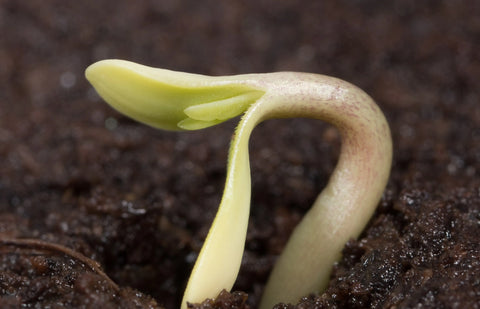
How can you prevent botrytis from developing in a cannabis crop?
It is, of course, best to prevent any infestation by this fungus by implementing certain preventive measures. The first important step is to always keep your growing area as clean as possible and never leave plant debris lying around.
Next, make sure your various tools and utensils are always thoroughly disinfected to prevent any primary contamination through contact with other plants in your garden. If the cannabis plants are too close to one another, the disease will spread via spores, which will attach themselves to a new, healthy plant to continue their reproductive cycle.
The Importance of Keeping Tools and the Growing Area Clean
It is essential to always maintain impeccable hygiene in your growing area, as this is the first step in keeping botrytis away from your beloved plants. Also, be sure to thoroughly clean all your tools and growing equipment after each use with a powerful disinfectant. We also recommend changing your clothes whenever you move from one area to another to significantly reduce any risk of contamination.
It goes without saying that when you notice a part of a plant affected by botrytis symptoms, you should immediately remove that part, cutting away a few centimeters of the healthy tissue as a preventive measure. This is to effectively eliminate and isolate any further infestation by this pathogenic fungus.
Keep insects away from cannabis plants
Insects are the second major threat to our favorite plants, so it’s essential to keep them as far away as possible from our favorite pastime. Pests cause the same problems as fungi—that is, they jeopardize the healthy development of our beloved plants at every stage of their growth, whether during the growing or flowering phases, and affect both the yield and quality of our harvest.
All of this is to help you understand that it’s harder to eradicate them than to prevent them from appearing in the first place. It’s also important to know that these fungi will infect new hosts more quickly if those hosts have already been weakened by insect bites. Outdoors, we recommend applying broad-spectrum preventive treatments during the summer months to limit the presence of caterpillars during flowering, for example.
How can you identify botrytis in a cannabis crop?
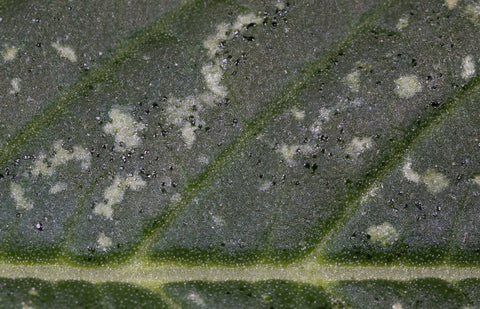
It is true that it is not at all easy to identify the onset or early symptoms of this fungal disease during its initial stage of development on the buds. The early signs of infection are characterized by necrosis of the stems, branches, and leaves. This corresponds to the period during which the color of the infected tissue turns brown and takes on a damp texture, before brown circular spots appear on the flowers—which will then turn gray—and the infected area eventually dries out noticeably. The affected area ultimately appears dead.
How do you get rid of botrytis?
If you want to eliminate botrytis from your marijuana crops, you’ll need to limit indoor humidity to a maximum of 60% during the last four weeks of flowering, since botrytis always occurs during this period. As we mentioned earlier, it’s also necessary to remove all affected parts of the plant, cutting back a few centimeters of the healthy parts as a preventive measure.
One important thing to keep in mind is to lower the relative humidity to levels between 50 and 60% at most, with an ambient temperature of around 26 to 27 °C, to literally dry out the indoor space. If Botrytis strikes suddenly indoors—just as it does outdoors—you’ll need to make a quick decision about bringing forward the harvest; otherwise, you risk losing a significant portion of your crop.
If this fungus causes an infestation at the beginning of flowering, you can spray a solution containing beneficial antagonistic fungi such as Trichoderma harzianum, Ulocladium atrum or Gliocladium roseum on each marijuana plant. This type of treatment should stop the growth of this mold fairly quickly.
Once again, prevention is key—make sure you consistently maintain the proper environmental conditions (temperature, humidity) and uphold impeccable hygiene standards. These are the key factors that will ensure the success of your harvest, whether you’re growing indoors or outdoors. If you choose to grow outdoors, the first major factor you’ll need to give serious consideration to is selecting high-quality cannabis seed varieties to purchase.
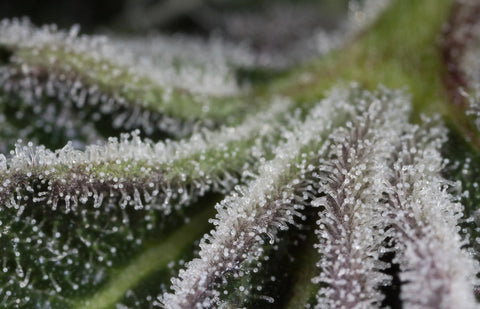
It’s true that mold problems usually arise in late summer or early fall, when marijuana plants are in their final weeks of outdoor flowering. The large amounts of water produced by these rains over a fairly long period, combined with potentially poor air circulation and, consequently, extremely high humidity levels around the dense buds packed with resinous trichomes.
Now imagine that we’re growing hybrids or Indica-dominant strains under these conditions—that’s when we’re faced with a serious problem. That’s why, once again, selecting the right strains for your cannabis seeds is a fundamental aspect. We recommend pruning your plants, especially any leaves that block airflow within the structure of each marijuana plant. This is clearly a factor that can facilitate the spread of mold.
These can also block the passage of light and thus limit the formation and weight of your crop’s heads. Furthermore, as temperatures drop in early to mid-September and humidity levels are high due to fall rains, it makes sense to reduce the amount of water in the soil during watering in the final weeks, since evaporation is no longer the same as it was during the hottest days of summer. On the other hand, this excess water in the soil could be fatal to our precious buds, because if our buds are very dense, the risk would be even greater.