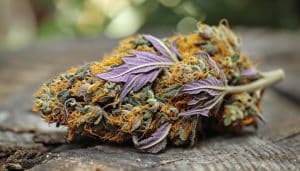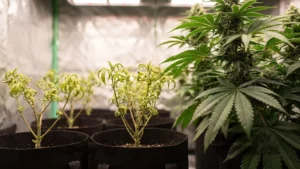
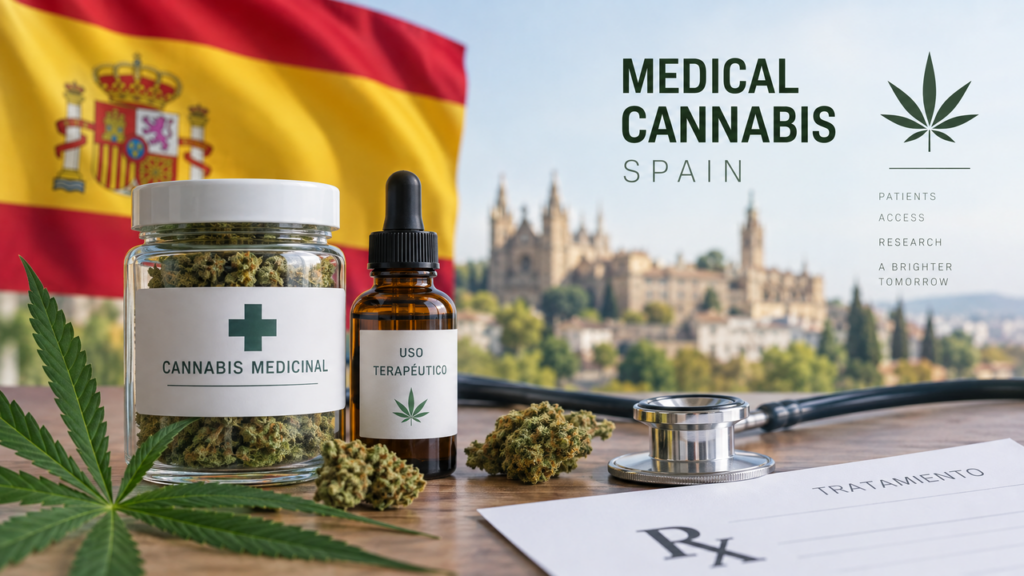
Spain occupies a paradoxical position on the European medical cannabis scene. On the one hand, the country ranks among the world’s leading producers of cannabis for therapeutic use, with experts in the genetics and cultivation of pharmaceutical-grade cannabis, exporting dozens of metric tons each year to Germany, the United Kingdom, and other regulated markets. On the other hand, its own patients had to wait until October 2025 to obtain a first national legal framework—and this framework, historic as it may be, still falls far short of guaranteeing real and straightforward access to treatment. Here is a detailed overview of this evolution, which spans legislative progress and a practical reality that is disappointing for many patients.
Years of waiting and a legal vacuum
For nearly a decade, Spain found itself in a unique situation: farms authorized by the Spanish Agency for Medicines and Health Products (AEMPS) were legally growing cannabis on Spanish soil, but it was intended exclusively for export to countries that already had a well-established medical framework. Spanish patients, however, had no access to any legal domestic supply chain.
Faced with this situation, which was deemed untenable, a parliamentary subcommittee was tasked as early as 2021 with studying the issue. Its conclusions—which recommended regulated access through “magistral formulations” (pharmaceutical preparations composed of standardized extracts)—took several years to be translated into regulatory text. A first draft decree was presented in late 2024, already drawing significant criticism from patient advocacy groups regarding its limited scope.
Royal Decree 903/2025: A Historic Step Forward, but Deliberately Limited in Scope
On October 7, 2025, the Council of Ministers finally approved Royal Decree 903/2025, which was published in the Official State Gazette (BOE) on October 9 and took effect on October 10, 2025. For the first time, Spain has a national framework regulating the medical use of cannabis.
The main points of the text:
- It exclusively regulates the manufacture, prescription, and dispensing of standardized compounded formulations made from cannabis extracts registered with the AEMPS
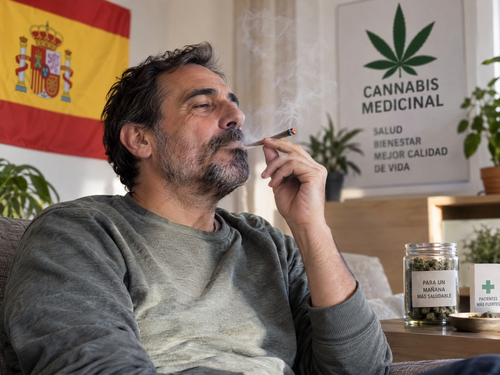
- Raw cannabis flowers are completely excluded from the program: no products intended for smoking or vaporizing are permitted
- This medication may only be prescribed by medical specialists practicing in hospitals or pain management centers, and only when conventional treatment options have been exhausted.
- Dispensing is carried out exclusively through hospital pharmacies; the country’s approximately 22,000 neighborhood pharmacies—which already handle sensitive substances such as methadone and fentanyl—are excluded from this process.
- The decree does not establish a fixed list of eligible conditions, opting instead for an evolving model based on available scientific evidence, even though, in practice, the initially targeted indications include spasticity associated with multiple sclerosis, severe epilepsy, chemotherapy-induced nausea, and refractory chronic pain
- In exceptional cases (vulnerable patients, remote rural areas), regional health authorities may authorize remote dispensing arrangements
The government is presenting this bill as a commitment to personalized, evidence-based medicine, with ongoing pharmacovigilance to monitor the long-term effectiveness and side effects of treatments.
What the decree does not (yet) change for patients
While the adoption of the decree undeniably marks an important milestone, several practical limitations continue to hinder its actual impact on the ground.
Access that is geographically and administratively restricted
By limiting dispensing to hospital pharmacies only, the legislation effectively forces patients to make multiple trips to hospitals, which are often concentrated in large cities. For patients living in rural or remote areas, access therefore remains difficult, despite the theoretical possibility of remote dispensing in certain exceptional cases.
The exclusion of flowers is driving the market toward the black market
Many patients and advocacy groups, including the IACM Patient Council, have criticized the exclusion of cannabis flowers from the program. In fact, several medical conditions respond better to inhalation than to oils or standardized extracts. In the absence of a suitable legal alternative, some patients may continue to turn to home cultivation, cannabis social clubs, or the illicit market—precisely what the decree was intended to limit.
Implementation that is still partial and gradual
At the time the decree was published, several regulatory steps still needed to be completed: ratification by Congress, as well as the publication by the AEMPS of the official monographs precisely defining the authorized preparations. In the meantime, only existing hospital-prepared formulations are available, in a very limited number of facilities. The most realistic projections suggest that, initially, only a few hundred patients will actually be treated—a negligible number given the estimated needs.
A Persistent Industrial Paradox
Spain continues to export dozens of metric tons of medical cannabis grown domestically each year, while many of its own patients remain excluded from this production. Moreover, cultivation licenses for export to Germany or the United Kingdom continue to be approved by regulators, with no direct link to the expansion of the domestic supply.
The Ambiguous Role of Cannabis Social Clubs
In addition to the medical framework, Spain remains known for the legal tolerance afforded to cannabis social clubs—private associations of growers and consumers that, in practice, allow many patients to self-medicate outside of any official medical system. There are currently more than 1,000 such clubs in the country, including about 400 in Barcelona alone.
This system, which arose from a historical legal vacuum rather than a clear legislative intent, has long been the primary practical means of accessing cannabis for many Spanish patients, in the absence of a national medical framework. Its status, however, remains fragile: it is based on de facto tolerance and evolving case law, not on a specific law, making it a precarious solution with no real guarantee of pharmaceutical quality or structured medical oversight. This type of structure clearly remains in a gray area…

Recreational legalization has been clearly ruled out
Progress in the area of medical cannabis should not be confused with any move toward legal recreational use. In June 2026, Secretary of State for Health Javier Padilla explicitly stated before Parliament that recreational legalization was not on the government’s agenda. Such a change would require an amendment to the Spanish Penal Code, a process that has not yet been initiated.
Recreational use therefore remains illegal in public spaces, although it is tolerated in strictly private settings—a situation often misleadingly summarized by the common misconception that “cannabis is decriminalized in Spain,” whereas the legal reality is much more nuanced and governed by the Law on Public Safety. Many people confuse the high level of tolerance that was very real just a few years ago throughout Spain—specifically regarding cannabis—with the current reality on the ground, which shows a significant crackdown at all levels of society.
In short: a necessary step, but far from sufficient
The adoption of Royal Decree 903/2025 is, without a doubt, a historic milestone for Spain, as it filled what had been one of the most significant legal gaps in Western Europe regarding medical cannabis. However, the reality on the ground reveals that access remains extremely limited: distribution is restricted to hospital pharmacies, flower is excluded, there is no clear list of eligible conditions, and the rollout will be gradual, initially affecting only a very small number of patients.
For many organizations, such as the Spanish Observatory on Medical Cannabis (OECM), the fight has only just begun: the fight to genuinely expand access, to integrate neighborhood pharmacies into the distribution network, and to ensure that care finally meets patients’ actual needs, rather than adhering to a framework designed primarily to limit regulatory risks rather than to facilitate access to care.