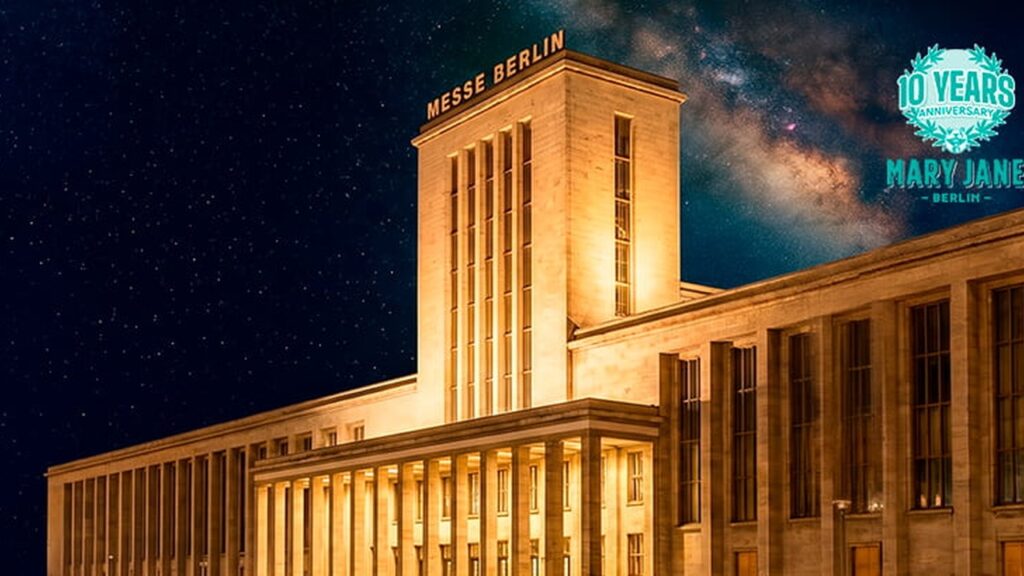
For a few days, Berlin once again became the nerve center of the European cannabis industry. With B2B summits, strategic conferences, side events, and a major cultural gathering (concerts, festivals, and artistic performances), the German capital brought together everything that shapes the cannabis industry in Europe today.
This 2026 edition of Mary Jane Berlin, which marked the trade show’s 10th anniversary, confirmed a trend that is now hard to ignore: since the partial legalization of cannabis in Germany in 2024, the German market has become the main driving force on the Old Continent.
Beyond the impressive numbers, this week in Berlin has above all highlighted an increasingly obvious reality: the European cannabis industry is entering a phase of rapid consolidation, where the lines between medicine, recreational use, business, innovation, and culture are becoming increasingly blurred. One thing is certain: in Berlin, cannabis is celebrated in all its forms amid a truly enjoyable festive atmosphere…
Mary Jane 2026: The Transition to a New Dimension
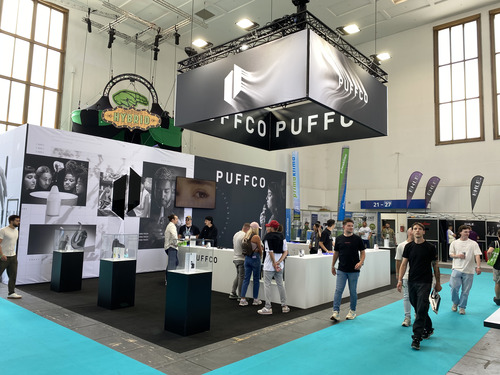
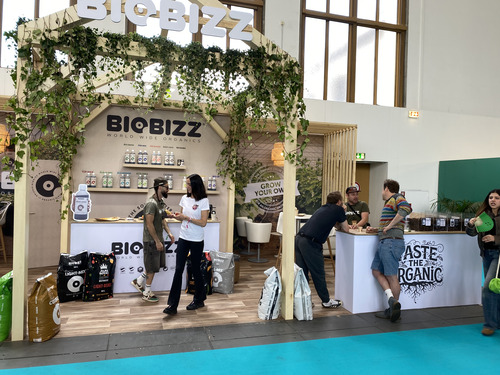
Held at Messe Berlin, the Mary Jane festival has once again expanded in scale.
With more than 75,000 visitors and several hundred international exhibitors, the event has established itself as much more than just a trade show. Mary Jane is now a hybrid format in its own right: at once a festival for the general public, a professional hub, and a global showcase for the European market.
This surge in momentum was felt throughout the organization:
- a day entirely dedicated to B2B
- three days open to the general public
- dozens of lectures and master classes
- a massive presence of international brands
- immersive spaces that blend culture, technology, and lifestyle
This structure perfectly reflects the transformation of the German market. On the one hand, there is an already robust and well-structured medical sector; on the other, there is a regulated recreational market that is still searching for its model, with a regulatory framework that still has room for improvement at various levels.
The trade show also confirmed several major trends this year.
Medical cannabis has now emerged as one of the key drivers of growth in the European market. The conferences focused extensively on prescriptions, patient access, product standardization, and regulatory developments.
Another key trend is the rapid growth of indoor cultivation technologies. These include next-generation LED lighting systems, various automation devices for cultivation, as well as monitoring and parameter analysis tools, and premium nutrients… Cannabis agritech is clearly entering a phase of industrial sophistication.
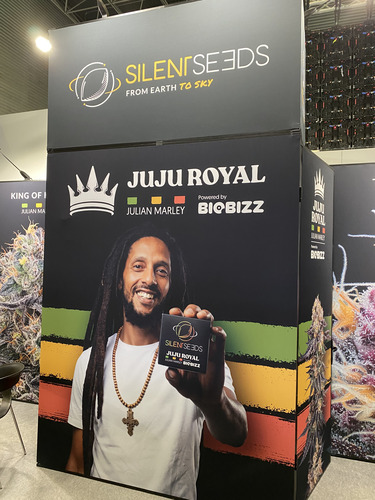
Booth F 67/ Hall 22 ab
The premium genetics segment also made a strong impression at this year’s event. The entire team from SILENT SEEDS was out in full force this year at its booth F67/Hall 22 ab to meet with its various customers, retailers, and distributors. The stellar seed bank was proud to present its new collaboration with reggae artist Julian Marley for this third edition, with the release of four new exclusive premium strains: Julian Marley Special (Juju’s signature strain), King of Kings (a hybrid created in tribute to his father Bob Marley), Jamaican Mountain (a cultivar reflecting Jamaica’s Blue Mountains), and Jamaican Sunset (a strain representing the island’s indescribable sunset).
Numerous seed banks were in attendance, as were various long-standing breeders, and new players also highlighted a growing demand for exclusive, stable, and diverse strains, particularly those with rather exotic terpene profiles.
But Mary Jane stays true to its roots. You can easily enjoy a wide array of concerts, live performances, grab a bite to eat from a wide array of food trucks offering rich and varied culinary delights that will take you on a journey around the world, or relax in chill zones and community gathering spots—all of which remind us that cannabis is also a culture in its own right, a lifestyle and a social space where everyone can find their place to deepen their relationship with or knowledge of the cannabis plant.
European Cannabis Insights Summit: When Data Replaces Ideology
Ahead of the trade show, the European Cannabis Insights Summit set the tone.
Organized by Business of Cannabis and Prohibition Partners, this B2B event brought together investors, analysts, operators, and decision-makers from across Europe.
The consensus among all the speakers was clear: the nature of the debate surrounding cannabis is changing.
The discussions are no longer focused primarily on the issue of legalization, but on much more concrete issues:
- changes in patient behavior
- effectiveness of reimbursement models
- supply chain optimization
- consolidation of the European market
- a comprehensive regulatory model at various levels
- clarification of general legal options
This trend perfectly illustrates the sector's growing maturity.
Cannabis is gradually moving away from the realm of ideology and into that of data, KPIs (key performance indicators), logistics, and economic performance.
In other words, the sector is becoming more professional. This may seem paradoxical, but the cannabis industry is already prepared to face comprehensive regulation within the European Union, and reality may prove more powerful than the wishes of certain EU leaders, as the self-fulfilling nature of the cannabis plant will certainly overcome their prohibitionist stance. Stay tuned for updates in the near future…
Side events: the parallel ecosystem that defines Berlin
One of the major strengths of Berlin Film Week remains its off-program ecosystem.
Around the Mary Jane trade show a veritable constellation of side events has sprung up, some of which are almost as strategic as the main event itself.
Private clubs, galleries, rooftop venues, barges on the Spree, and industrial wastelands have hosted a wide variety of alternative formats:
- cups designed for flowers and hash
- Events Related to Terpenes
- culinary experiences with cannabinoids
- informal networking among investors
- after-parties until the wee hours of the morning
Events such as the High Secret Cup, the Autoflower World Cup, and Terps & Taste have demonstrated Berlin’s unique ability to bring together underground culture and corporate structure.
It is precisely this duality that makes Berlin’s ecosystem so unique, as it perfectly illustrates the diversity of consumer profiles and, at the same time, shows us that cannabis is naturally integrated into the various segments of society, each with its own distinct characteristics.
Berlin reaffirms its role as a European laboratory
The main lesson from this week goes far beyond the events themselves.
Berlin has confirmed what many already suspect: Germany has become the epicenter of the European cannabis scene.
The country is now home to a significant portion of patient data, import flows, and regulatory innovations that continue to shake up Europe. Thanks to a well-structured healthcare framework and reimbursement mechanisms that are more advanced than those in most neighboring countries, Germany is gradually setting the market standards.
The issue is no longer the opening of the market, but rather its structuring and consolidation.
The real questions now are:
- Who are the patients?
- Which formats are the most popular?
- How can we accommodate the growth in demand?
- Which players will build the infrastructure for the European market?
- What is the real difference between strains intended for recreational or medical use?
- What are some methods for optimizing cannabis cultivation in the context of current global warming?
- When will there be a willingness to implement more comprehensive global regulation?
(retail sales for recreational use, sale of clones, harmonization of laws for companies specializing in extractions—such as specific licenses for various methods of processing the plant, etc.) - Establishment of health standards and quality control procedures for finished products
- Opening of Vocational Training Centers
- Preventive education for young people (in schools) and older adults (risks associated with misuse or use in an inappropriate setting, such as the workplace, etc.)
- Amendment of traffic safety regulations to establish a threshold for impairment for drivers (a legal blood concentration limit, similar to that for alcohol)
- Permits for the transport of raw materials (biomass, cannabis flowers, etc.) or finished products (extracts of all kinds, food products, etc.)
- Definition of Taxes and National Government Revenues
This shift marks the beginning of a new phase. To ensure harmonious development within German society, local and national authorities will need to give deep and serious consideration to the overall vision for the successful legalization of cannabis, taking into account the various social and economic interactions among the different stakeholders in the industry—including consumers—as well as the various interrelated risk factors throughout the broader societal ecosystem.
Cannabis is no longer a niche or speculative sector. It is becoming a mature, data-driven, heavily capitalized industry that is increasingly integrated into the real economy, as we see it gradually taking its place in American society. In other words, cannabis is gradually becoming mainstream, despite some lingering stigmas that are fading over time.
Mary Jane Berlin 2026 has finally confirmed one essential fact: the European cannabis scene is now taking shape in Berlin—that much is certain.
And while Germany is establishing its leadership, other countries—notably France—continue to fall behind, which could prove costly both economically and industrially, even though France already has a legal CBD market that plays a significant role nationally, with dynamic, high-performing, and demanding local players.