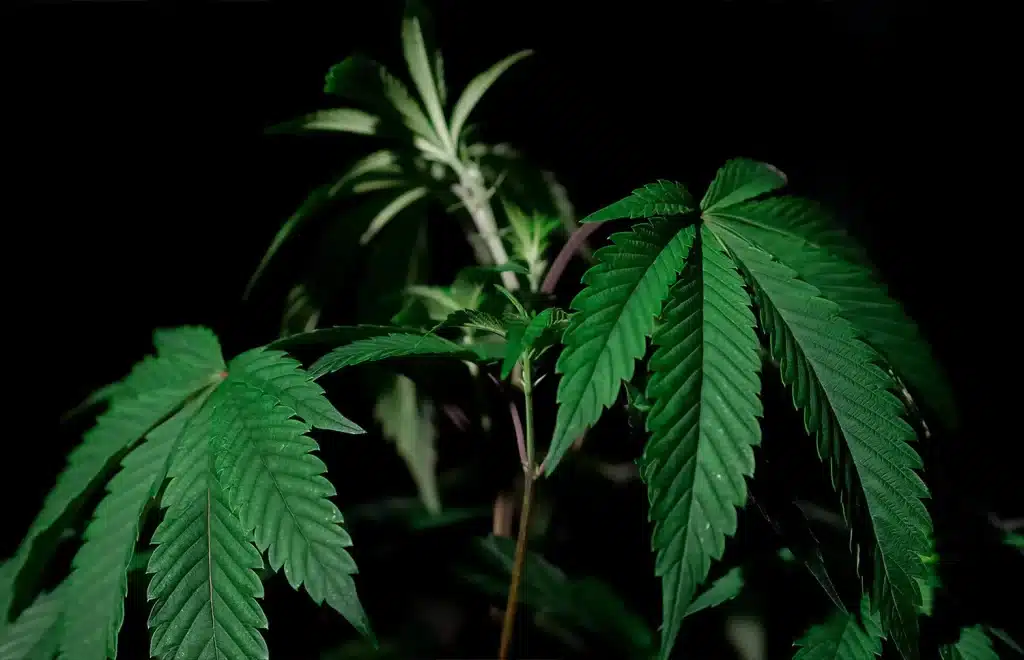
Cannabis sativa L. is an important herbaceous species native to Central Asia that has been used in folk medicine and as a source of textile fibers since time immemorial. This fast-growing plant has recently seen a resurgence of interest due to its versatile applications: it is, in fact, a treasure trove of phytochemicals and a rich source of cellulosic and lignocellulosic fibers.
The pharmaceutical and construction industries are taking a serious interest in this plant, as its metabolites exhibit powerful bioactivities that benefit human health. While delving into the world of cannabis and all its intricacies can be enlightening, there is still much to learn from a scientific perspective. Two main varieties of cannabis are enjoyed by thousands of consumers: Cannabis sativa and Cannabis indica. Which variety should you choose?
Indica cannabis: What is it?
The phenotype of Cannabis indica is a direct result of the evolutionary processes the plant has undergone to adapt to its environment. While it was once believed that Cannabis sativa grew primarily in the Western Hemisphere, Cannabis indica was named for its tendency to grow wild in India—more specifically, in the mountainous region between Afghanistan and Pakistan. The indica plant is much hardier than the sativa.
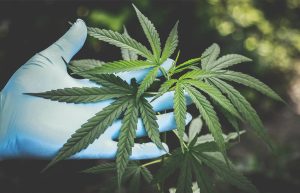
It has a woody stem rather than a more flexible, fibrous one. Indica leaves are a darker green, with fan leaves that are wider than those of sativa. When fully mature, an indica plant is bulkier than a sativa.
The Effects of Cannabis Indica
While Cannabis sativaseeds are prized for their stimulating effects, Cannabis indica is equally valued for its relaxing and medicinal properties. Humans have been interacting with this plant for so long that the health benefits of Cannabis indica seem endless. With its prominent myrcene profile, Cannabis indica is known for its sedative effects and for providing a more pronounced body high than Cannabis sativa. It promotes sleep, tranquility, and pain relief.
Keep in mind that it’s the magical terpene myrcene that is most likely responsible for these effects. Myrcene also helps Indica strains stimulate appetite, or what is commonly known as “the munchies.” Indica is also widely used to promote sleep. However, when taken in the form of an edible or tincture, the effects linger in the body longer than when it is smoked.
Who should use Indica?
Those who are looking to:
- Increase their appetite;
- Improve their nighttime sleep;
- Help us treat their pain;
- Relax after a long day at work;
- To calm their nerves;
- Disconnect from racing thoughts.
The Best Activities for an Indica High
After consuming Indica cannabis, the following activities are appropriate.
- Yoga;
- Sleep;
- Meditation;
- Physical Therapy / Pain Management;
- Relaxation;
- Snacking;
- Watching TV / Entertainment.
Cannabis sativa: What is it?
Even without knowing anything about a cannabis plant’s THC or terpene profile, you can tell a sativa from an indica just by looking at it. When we talk about structural characteristics, we’re actually referring to its phenotype. Sativas are the slender, tall cousins of indicas. Sativa leaves are long, thin, and feathery compared to those of indicas.
While the flowers of an indica cluster around the plant’s nodes (the parts of the plant where new growth emerges), the flowers of a sativa branch outwards. In addition to the plant’s thickness, sativa plants can grow up to 6 meters tall and are slender. By the end of the flowering phase, a Cannabis sativa plant will appear much taller and less densely flowered.
The Effects of Cannabis Sativa
People look for sativa cannabis seeds to feel refreshed, stimulated, inspired, and energized. Known for their distinct “cerebral” effect, premium-quality sativa cannabis seeds are popular. Many find that sativas stimulate the creative subconscious. For those who use cannabis in the morning, their first puff or edible will most likely come from a reliable sativa strain that encourages them to embrace the day.
Athletes often like to use a sativa strain before or during a workout. Many athletes claim that the high allows for meditative focus without the sedative effects of many Indicas. On the other hand, some people attribute increased anxiety to strong Sativas. Furthermore, focus, activity, alertness, creativity, socialization, and stimulation are buzzwords used to describe Cannabis sativa.
Who should use sativa?
Those who are looking to:
- Waking up and cooking;
- Tackling their chores;
- Get organized;
- Harness their creativity;
- Think and work in more innovative ways;
- Act in a more socially responsible manner.
The Best Activities for a Sativa High
After consuming Cannabis sativa, the following activities are appropriate.
- Cleaning / Organization;
- Creative brainstorming;
- Tackling the to-do list;
- Hobbies / personal interests;
- A confident outdoor adventurer;
- Gentle exercise;
- Arts / Journaling.
Indica and Sativa Strains: What Are the Main Differences?
In many ways—and beyond their physical appearance— top-quality Sativa and Indica seeds are different.
Difference Between Sativa and Indica: Terpene Profiles
The way cannabis makes you feel has nothing to do with its physical characteristics. Rather, it’s determined by its THC and terpene content. Although many types of terpenes are present in cannabis, limonene and pinene take center stage in the most popular sativa strains. How can you tell if your weed will lift your spirits? Smell it. Citrus and pine aromas wafting from a fresh bud will tell you that you’re probably holding a sativa or sativa-dominant strain.
The way terpenes interact with cannabinoids in your weed is what creates the psychological and physical effects. Some say that any strain containing more than 50% limonene is a sativa. On the other hand, a predominance of that familiar earthy, skunky smell likely indicates that you’re holding an indica. This rich, musky scent is attributed to myrcene, the terpene most closely associated with the “couch-lock” effect—that feeling of being so relaxed that you have trouble getting up off the couch. A strain containing 50% or more myrcene is considered an indica. These are the simplest and most reliable ways to tell sativa from indica.
THC and CBD Content
In addition, people often associate higher THC levels and lower CBD levels with sativas, while they associate higher CBD levels with indicas. Research into claims that sativas have higher THC content indicates that this is true, but not to a significant degree. This means that the THC and CBD levels in sativas and indicas can vary, which ultimately means that sativas and indicas cannot be confined to rigid categories. It is also important to mention that there has been a great deal of crossbreeding over the thousands of years that cannabis has existed. Almost every variety, whether it is called “sativa” or“Cannabis indica,”is a form of hybrid.
Sativa and Indica: Climate
The ideal growing conditions for Indica are different from those for Sativa. For Sativas, warm temperatures are optimal; they thrive in places like Mexico, Africa, Brazil, or Thailand. Indica cannabis seeds, on the other hand, grow best in cooler climates such as Turkey or Morocco. Another factor to consider when deciding whether to grow indica or sativa is whether you’ll be growing indoors or outdoors. While indica plants are ideal for indoor cultivation, sativas are best grown outdoors due to their size.
Appearance: Sativa vs. Indica
Sativas and indicas also look very different when the plants reach maturity. Sativas are generally tall and slender; they can grow as tall as twenty feet or more. Most indicas, on the other hand, are short and bushy; they usually grow to only three or four feet.
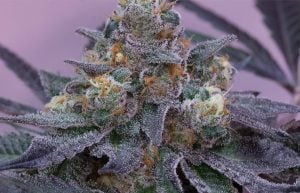
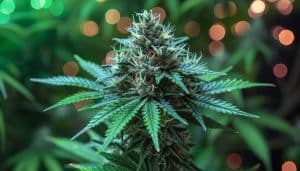
The buds also differ; they are generally denser on Indica plants than on Sativa plants, although Sativa buds are usually the stickier of the two. As for the plant’s branches, Sativas tend to be longer and more spread out than Indicas. As for the leaves, Indica plants often have larger and wider cannabis leaves than Sativa plants, and their leaves are a darker green than those of Sativa plants.
Harvest: Indica or Sativa
Another key difference between the two is the time it takes for sativa plants, compared to indica plants, to flower before it’s time to harvest. Sativa plants take longer to mature or produce buds than indicas because they contain less chlorophyll. Indica plants generally have a flowering period of 45 to 60 days, while sativas take 60 to 90 days to complete flowering. However, sativa strains typically require less time in the vegetative growth stage than indicas, so the overall growth time is roughly the same.
Nugs: Sativa and Indica
Experienced cannabis users can often tell the difference between sativa and indica by the product’s smell. When comparing buds from sativa and indica cannabis strains, most people find that the aroma of fresh sativa buds is generally much more pungent than that of indicas. Sativas can have a sweet, fruity, or floral scent and may even have hints of gasoline. Indicas, on the other hand, often smell earthy and musty; some users even go so far as to describe the aroma as similar to that of a skunk.
How do you choose between sativa and indica?
While the difference between Indica and Sativa effects is important to many recreational marijuana users, it is particularly significant for those who use it for medicinal purposes. The difference between Indica and Sativa effects means that individuals can choose their ideal cannabis strain based on their personal preferences and the ailments they hope to alleviate through use.Depression
Cannabis sativa strains are stimulating, energizing, and often contain high levels of CBD, a cannabinoid that has been shown to be effective against depression. When choosing between sativa and indica, sativa strains are often better suited for depression because they stimulate the desire to get up, go out, and be productive.ADHD
The main difference between an indica high and a sativa high is that sativa is a stimulant, which affects the brains of people with ADHD in the same way as prescription medications for their condition. Using sativa strains of marijuana as medical cannabis for ADHD can provide the focus needed to get things done without unwanted pharmaceutical side effects.Appetite stimulation
Collectible French sativa cannabis seeds are also effective at stimulating appetite, which is important for people suffering from weight loss as a result of cancer or HIV/AIDS treatments. THC is also excellent for relieving nausea and vomiting, another reason why it is a popular natural treatment for cancer patients.Insomnia
Indica-dominant cannabis strains can be extremely sedative and are often used as a remedy for insomnia. Typically, this type of strain is consumed in the evening or just before bedtime.Muscle pain/Spasms
When choosing between an indica and a sativa strain for pain relief, it is essential to consider the “physical” euphoria that results from using indica strains. This makes them particularly effective at relaxing muscles and relieving physical pain.Headaches
There is a wide range of over-the-counter medications and pharmaceutical products available to treat severe headaches such as migraines, but some people do not respond to these treatments or cannot tolerate the side effects. Medical cannabis —and Indica strains in particular—can help people who suffer from migraines.
What factors influence the choice between indica and sativa?
The plant’s structure makes it possible to determine with certainty whether it is Cannabis sativa or Cannabis indica. Although these cannabis strains are generally known to be stimulating or sedative, the truth is that each person’s cannabinoid receptors are different. This means that a Northern Lights Cannabis indica strain that puts your friends to sleep might just as easily make you lose your mind. The important thing is to pay attention to how a strain’s THC, CBD, and terpene content affects your mind and body.
The question people most often ask when they’re offered some weed is, “Is it Indica or Sativa?” Instead, the question you should ask is, “What’s its THC and terpene profile?” It’s okay if that sounds a little too nerdy for you. The key takeaway is that your experience with weed depends much more on the entourage effect of the cannabinoids and terpenes in your weed than on the physical characteristics of the plant itself. You might find that you enjoy Cannabis indica just as much as Cannabis sativa.