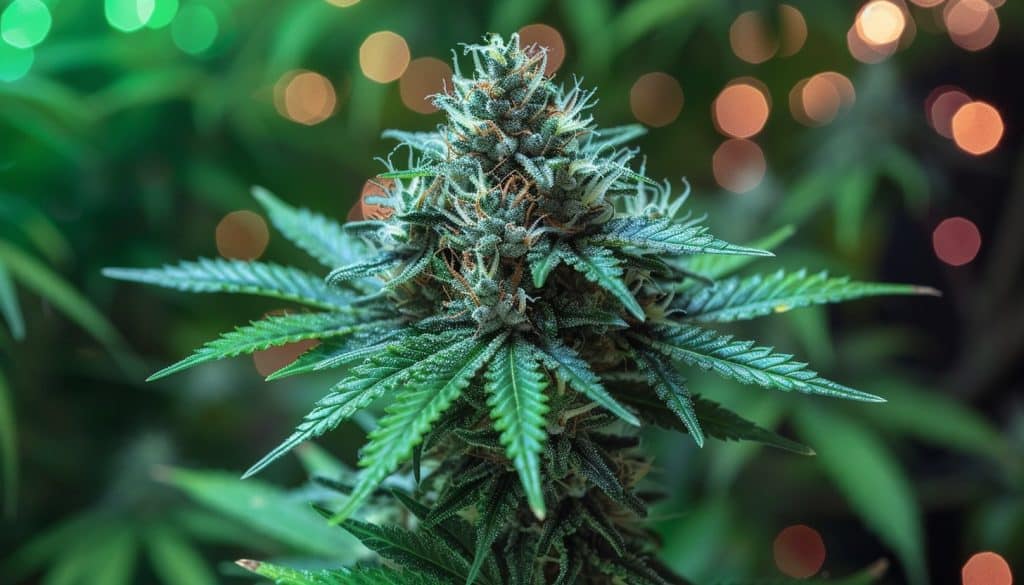
When growing cannabis, finding seeds during harvest time can raise questions. Is this the right time to harvest? How does the presence of seeds affect the quality and quantity of your crop? This detailed guide explores the various aspects of harvesting cannabis plants when seeds are present.
Identifying Seeds in Your Cannabis Plants
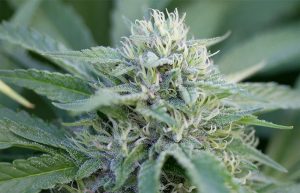
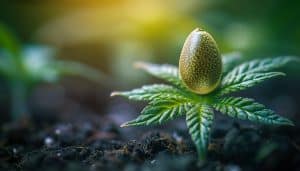
Detecting the presence of seeds in your cannabis plants is a crucial first step. These seeds often form when a female plant is pollinated by a male plant or when stressful conditions cause hermaphroditism in certain female strains. A thorough visual inspection is necessary, especially around the flowers, which typically harbor these seeds. Signs include buds that are thicker and harder to the touch compared to the resinous and flowery sections.
Tips for Extracting Seeds
If you intend to save these seeds for future crops, you must proceed methodically. Use precision tweezers to gently remove each seed without damaging the surrounding structure of the flower. This not only ensures that the seeds are preserved for later use but also minimizes damage to the remaining flowers, which may still contain some cannabinoids.
Impact of Seeds on Quality and Yield
The presence of seeds in your cannabis plants directly affects the overall quality of your harvest. On the one hand, a high number of seeds may indicate significant pollination, which often results in a lower THC concentration in the flowers. On the other hand, since the plant’s resources are divided between resin production and seed production, potency and flavor may also be affected.
When should you harvest if there are seeds present?
The decision to harvest should not be based solely on the presence of seeds, but rather on their stage of maturity and that of the plant’s trichomes. A magnifying glass can be helpful for examining these tiny crystals on the flowers and leaves, which change from clear to amber when they are ready. If the seeds appear well-formed and the trichomes are at optimal maturity, then it would be wise to proceed with the harvest.
Techniques for Maximizing Quality Despite the Seeds
If you notice seeds forming while your plants are flowering, there are several techniques you can use to protect and potentially improve the quality of the remaining harvest. Adjusting the lighting can reduce stress on the plants and promote optimal growth. Similarly, paying close attention to watering and fertilization can help maintain the plant’s overall health, boosting resin production through the end of the growth cycle.
Plant Stress Management
Reducing stress on plants is essential to prevent excessive seed production. A stable growing environment without drastic fluctuations in temperature or humidity is ideal. Also, make sure your plants have enough space for proper air circulation, which helps prevent pest infestations that can increase stress on the plant.
- Maintaining an appropriate lighting regimen suited to the growth stage
- Precise humidity and temperature control
- Rational Use of Potassium-Enriched Fertilizers to Support Flowering
Possible Uses for the Harvested Seeds
Admittedly, the presence of seeds may be an unwanted issue for some growers; however, these seeds do have their uses. Not only can they be used to propagate cannabis generation after generation, preserving desired traits, but they also represent a secondary source of income if sold. Furthermore, cannabis seeds offer significant nutritional benefits because they are rich in essential fatty acids.
Seed Preservation and Storage
For those who choose to save their seeds, proper storage is essential to maintaining their viability. They should be stored in a cool, dry, and dark place. Airtight containers that are protected from direct sunlight are recommended to extend their shelf life and ensure successful germination when they are replanted or sold.
Summary of Key Harvesting Steps
As a preliminary conclusion, managing the harvest when seeds are present requires a nuanced understanding of the plants’ life cycles and calls for a tailored approach adapted to each specific situation. Quickly identifying the presence of seeds, adjusting cultivation practices, and strategically utilizing harvested seeds and plants offer the opportunity to optimize your production, despite the challenges involved.