
When growing cannabis, watching the flowers turn into seeds can raise a lot of questions. This transformation is essentially the result of a biological process called pollination. This article explores why and how cannabis flowers produce seeds, in detail here.
How Cannabis Reproduction Works
To understand seed production in cannabis, it is essential to understand the mechanisms of its reproduction. Cannabis is generally a dioecious plant, meaning there are distinct male and female plants. Male flowers produce pollen which, when transferred to female flowers, leads to seed formation through a natural process called pollination. This mechanism ensures genetic diversity and the survival of plant species.
Difference between male and female plants
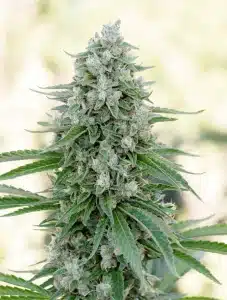
Identifying the sex of cannabis plants is crucial for controlling seed production. Male plants develop pollen sacs that burst, dispersing their contents into the air, while female plants bear sticky pistils designed to capture this pollen. If a grower wants to prevent seed formation, they must prevent pollen from coming into contact with the pistils.
The Role of the Environment in Pollination
The growing environment plays a crucial role in the pollination of cannabis plants. Factors such as wind, insects, or even human intervention can facilitate the transfer of pollen from male to female plants. Controlling these environmental factors often allows for effective management of seed production.
The impact of wind and insects
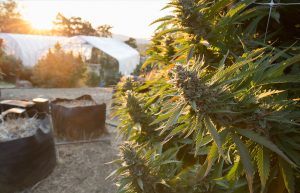
Wind is probably the most effective natural pollinator for outdoor plants. It can carry pollen over long distances. As for insects, such as bees, they also contribute to this process by moving from flower to flower, although this is less common with cannabis than with other types of plants.
Methods for limiting seed formation
Many cannabis growers aim to minimize seed formation in order to produce seedless flowers, which are more pleasant to consume. Using various strategies, they strive to preserve the purity of the female flowers.
Physical separation of the sexes
The most reliable way to prevent seed production is to separate male and female plants. By identifying and isolating the males before they begin to release pollen, it is possible to prevent any unwanted pollination.
Indoor growing techniques
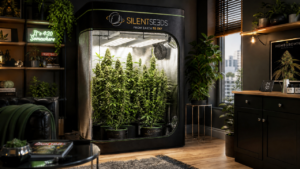
Growing cannabis indoors allows for much stricter control over the environment, including ventilation and exposure to external pollen. Modern air filtration systems can significantly reduce the risk of accidental pollination by pollen from outside. Furthermore, genetic engineering to develop feminized strains (which rarely exhibit male characteristics) is now common practice in this industry.
The Importance of Seeds for the Sustainability of Cannabis
Despite efforts to prevent them from appearing in some cannabis gardens, seeds are vital to the plant’s survival. They represent the plant’s life cycle and its ability to endure over time.
Genetic diversity and adaptation
Seed production promotes genetic diversity within cannabis populations, which increases their ability to adapt to climate change, diseases, and other environmental threats. Without this diversity, each generation of plants would likely be less resilient than the previous one.
Conservation and Regeneration
Seeds also allow cannabis crops to regenerate year after year. They can be stored for long periods and germinate only when conditions become favorable, thereby ensuring the continued presence of favorite strains in the crop.