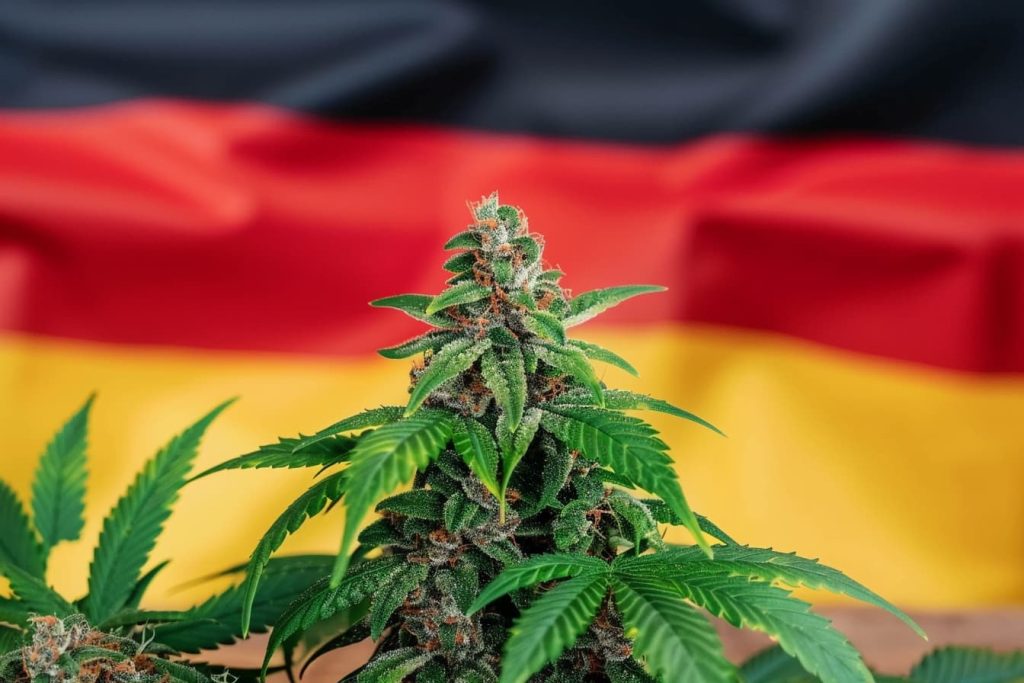
With the gradual legalization of cannabis around the world, Germany is taking a step forward toward a new approach to hemp-related policies. Cannabis is now on the verge of becoming an integral part of our society, just like alcohol. We will review the various stages of cannabis integration and the sale of cannabis seeds in Germany, and how this once-demonized plant is slowly beginning to earn its place among everyday consumer products.
A Step Forward for Hemp
The German parliament recently passed a bill to legalize medical cannabis. This decision undoubtedly marks a major step forward for advocates of a more flexible policy regarding this plant, which has numerous therapeutic benefits. Indeed, patients suffering from various chronic conditions will be able to benefit from a safe and affordable alternative treatment under medical supervision.
A Gradual Legal Evolution
Beyond this measure, German legislation will undoubtedly continue to evolve in favor of cannabis. Debates are raging among the various political parties, which nevertheless agree that it is futile to fight the use of this plant indefinitely. The time has come to redefine government policies on this issue and to take into account the realities faced by users across the country. The economic opportunities associated with the legalization of cannabis—for both the government and citizens—are also at the heart of these debates.
An End to Stigmatization
The fact that a significant portion of the German population supports the legalization of cannabis also demonstrates a growing awareness of the inconsistencies that have marred official discourse for years. The stigmatization of cannabis now appears to be an unfounded rejection of a product that could quite naturally find its place in our society alongside alcohol—with which it shares certain characteristics.
From Taboo to Normalization
This shift is remarkable because it signifies a gradual transition from a prohibitionist mindset to a more pragmatic one, in which cannabis is beginning to be viewed as an informed, adult choice. Users are no longer automatically associated with outlaws or socially unstable idlers. On the contrary, it is now recognized that moderate cannabis use can be consistent with self-control and respect for the law.
New Economic Horizons
In addition, the gradual legalization of cannabis is also creating numerous >economic opportunities for Germany. The sector involved in the production and sale of cannabis-based products could generate significant economic benefits, including a substantial increase in tax revenue for the government.
The Rapidly Growing German Market
The legal cannabis market in Germany is already experiencing remarkable growth in the medical and wellness sectors. Many companies are entering this new market, thereby contributing to job creation and the development of new hemp-related technologies. With this legalization, the government can also drastically reduce the costs associated with combating drug trafficking and redirect those resources toward other national priorities.
Appropriate and Secure Regulation
In this context, it appears essential to establish effective regulatory mechanisms to oversee the recreational use of cannabis. The authorities will need to ensure compliance with strict requirements regarding the quality and traceability of the products offered, in order to guarantee optimal safety for consumers and prevent health risks.
The Challenges of Oversight
- Setting a minimum age: Just as with alcohol, it is crucial to establish a legal age for the purchase and use of cannabis in order to protect the youngest and most vulnerable from early exposure to this substance.
- Prevention and Education: A policy to legalize cannabis would be incomplete without a prevention component, which could include awareness campaigns designed to promote responsible and informed use.
- Regulation of Advertising: It is essential to establish rules to regulate the promotion of cannabis-based products in order to prevent excessive encouragement of consumption and the development of unchecked lobbying.
- Health Monitoring: Establishing a dedicated monitoring body would be useful for tracking changes in usage, emerging trends, and potential difficulties consumers may encounter regarding distribution, access to products, or the effects on their health.
Germany is thus following in the footsteps of countries that have been pioneers in cannabis legislation. By embracing its gradual integration and putting an end to its stigmatization, it is paving the way for a world where this plant is viewed as normal and comparable to alcohol in our society.