Knowing how to grow feminizedcannabis seeds is a major advantage for growers looking to maximize their yield. These seeds are specially designed to produce only female plants, thereby eliminating the risk of ending up with male plants that do not produce THC. In this detailed guide, we’ll cover the key steps to ensure the healthy and successful growth of your cannabis plants from feminized seeds.
Choosing feminized seeds
First and foremost, choosing the right seeds is crucial. It is recommended that you purchase seeds from a reputable supplier to ensure quality and reliability. The seeds should be hard, dry, and dark brown in color with marbled patterns.
Preparation before planting
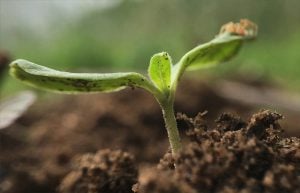
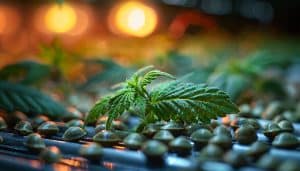
Before planting your seeds, you need to prepare them properly to maximize their germination potential. The process begins with seed stratification:
- Soak the seeds in warm water for 24 hours.
- Then place them between two damp layers of paper towels and keep them in a warm place.
- Check regularly until the sprout grows.
Layout of the growing area
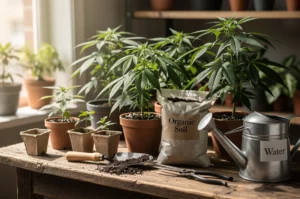
The environment for your seedlings must be carefully controlled. For cannabis seedlings, an ambient temperature of around 22–28°C and a relative humidity of 40–70% are ideal. Make sure the growing area is free from drafts or excessive temperature fluctuations that could harm the young plants.
Light Management for Plant Growth
Light is essential for cannabis photosynthesis. Using specialized LED lights for cannabis cultivation can provide the appropriate light spectrum while minimizing energy costs. Plan for a light cycle of 18 hours of light followed by 6 hours of darkness during the growth (vegetative) phase.
Plant Nutrition and Irrigation
Cannabis plants require various nutrients at different stages of their growth. During the vegetative stage, use fertilizers high in nitrogen. Then switch to a fertilizer higher in phosphorus and potassium during flowering. As for watering, it should be regular but moderate so as not to saturate the growing medium. Over-saturating the soil can lead to problems such as mold or fungal diseases.
Techniques for promoting flowering
To encourage your cannabis plants to enter the flowering phase, adjust their light exposure to mimic an autumn environment. This involves setting the light cycle to 12 hours of light and 12 hours of darkness. This change in the light cycle encourages the plants to flower.
Disease and Pest Prevention
The success of your grow also depends on your ability to keep your plants healthy and free of diseases and pests. Use natural prevention methods, such as introducing natural predators like ladybugs to combat aphids. Regular cleaning and disinfection of your grow space will also help reduce these risks.
Harvesting and curing buds
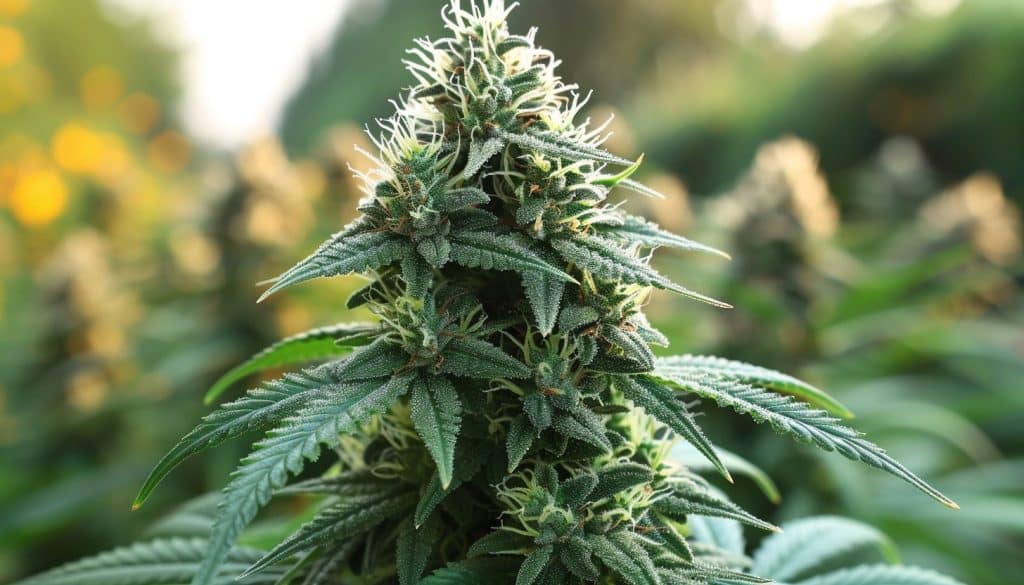
Harvest time generally arrives after 8 to 10 weeks of flowering. The trichomes on the buds turn milky white, a sign that they have reached their peak THC production. Harvesting must be done gently so as not to disturb the trichomes. Next, the curing process, which can last several weeks, will refine the flavor and increase the potency of the final product. Dry the plants slowly in a controlled environment, then store them in airtight jars that are opened briefly each day to allow moisture to escape and fresh air to circulate.