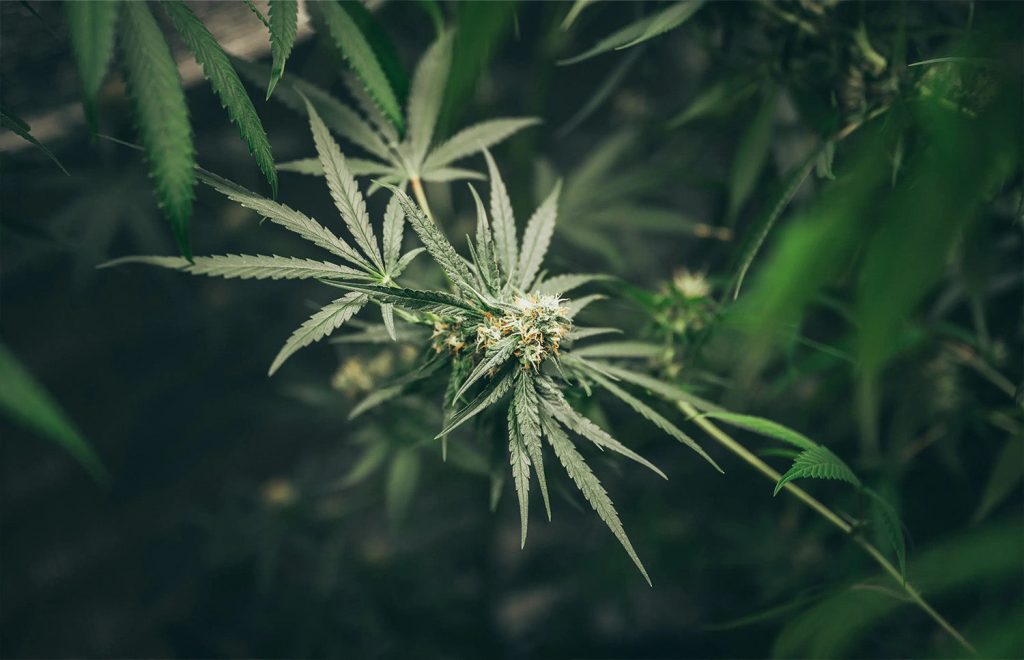
- When choosing high-quality cannabis seeds for a potential new crop, the decision is based on a set of personal expectations, which are usually related to the plant’s sensory qualities (taste, effect, potency), or they may pertain to the plant’s resistance or yield.
- Naturally, everyone’s criteria vary from person to person; that’s why priorities aren’t the same for everyone—and that’s for the best. It all starts with choosing cannabis seeds: deciding whether to go with Sativa or Indica is the first step.
- In this article, we’ll explain how to select the best phenotype of your favorite cannabis strain using various criteria. That way, you can take your time choosing the one—or ones—that matter most to you.
Most of the time, cannabis growers want to grow cannabis for personal use so they can enjoy its aroma, taste, and effects. Whether you’re a fan of Sativa—or, more specifically, Haze or plants with a high THC content—the selection criteria are the same.
However, priorities vary depending on one’s situation, since yield may not be as important to a home grower as it is to a company that cultivates thousands of cannabis plants per hectare and must ensure a certain level of financial viability for their future success.
There are other criteria that are also of major importance, such as the size of the plant, for example, because home growers may have limited space available at home, and professional cannabis growers want to make the most of everysquare centimeter oftheir grow area.
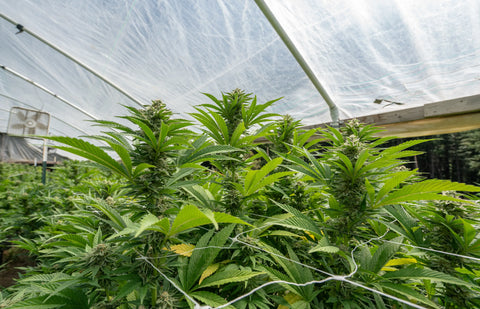
That is why the characteristics of the feminized varieties used play a major role in this regard. Knowing the duration of both the growth period and the flowering period—which are measured in weeks—is another factor that directly influences the crop rotation cycle, potentially allowing for an additional annual harvest.
Resistance to fungal diseases and insects is also crucial, because growing a variety under unsuitable climatic conditions can lead to disastrous economic losses. The same applies to genetic stability; there is no alternative but to ensure the viability of the seeds for the intended purpose.
The main criteria for choosing your favorite cannabis phenotype
1- Taste
Some people enjoy the taste of the Indica-dominant strain called Gorilla Glue, while others may prefer Sativa strains with some Haze genetics, such as our Original Amnesia. As you can see from these examples, this is entirely subjective and varies from person to person.
The most important thing is how you personally feel about it, which means that if you find that the flowers of a particular strain give you a certain kind of pleasure like no other, then there’s no need to ask yourself any more questions—you simply need to save a few cuttings from the plant they came from. This will allow you to grow plants from this cannabis strain again, so you can enjoy delicious buds that will delight your discerning palate in the future.
You may find yourself in a comical situation—that is, one of your loved ones or friends might challenge your decision, telling you that it’s strange and that they don’t share your opinion. Our best advice is to ignore whatever they might say, simply because this choice is yours alone; in this case, only your enjoyment matters.
2- The aroma
The distinctive aroma of a cannabis strain can have a positive effect on people, just as it can, conversely, be off-putting. We all have scents that easily appeal to our sense of smell and simply make us want to either smell or even consume the product that attracts us at that moment.
Exactly the same thing happens with the cannabis plant: a person may greatly appreciate the aroma produced by an Indica-dominant strain like Purple Punch or White Widow, whose aromatic profile is clearly dominated by an identical terpene called myrcene.
The latter is the most common type found in most cannabis strains; its aroma is quite earthy, with distinct notes of humus reminiscent of the forest floor.
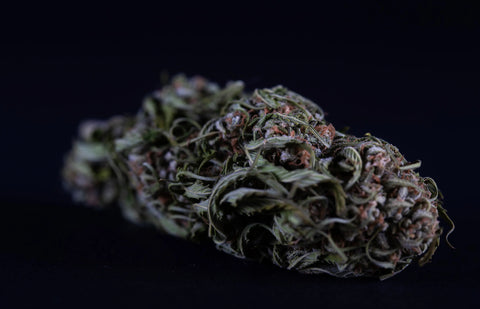
Another person might prefer Skunk flowers, which have a sharper aroma with notes of spice, ripe fruit, and pinene, or perhaps a Kush strain with a more radically contrasting terpene profile, featuring hints of citrus and lemon and also dominated by pinene, which lends a certain intensity and depth to the overall experience. Once again, this is entirely a matter of personal preference; only you can judge the emotions you experience.
There are so many strains on the market these days that you’ll be spoiled for choice when it comes to finding the one that suits you best. However, generally speaking, it must be said that an autoflowering strain typically has less complexity and intensity in this regard, and the same goes for flavor; this is due to the Ruderalis genetics, which are more bland and tend to diminish these qualities. That said, it’s important to note that this trend is likely to improve in the future, thanks to the stabilization achieved over several generations through a structured breeding program.
3- The Effect
The effect, as well as the set of characteristics found within the phenotype of a specific variety, can be completely different or even unique, even for a genetic line whose THC (tetrahydrocannabinol) content, such as the Sativa or Indica dominance of a cannabis variety, are fully identified, and even when the terpene profile (terpenes and flavonoids) is known with the utmost precision.
These are the natural fluctuations inherent in all genetic developments, since such variations are assessed statistically across a population of individuals (%). But even if we sometimes think we know all the possible variations, there can still be many surprises—both positive and negative.
So far, two distinct types of effects have been identified, which are classified into two categories: Sativa and Indica. Although these terms are not used solely to describe the effects of cannabis—they also serve to characterize the structural characteristics of any cannabis plant—for the purpose of this specific topic, a Sativa effect is generally considered to be energizing, providing a stimulating mental high with an element of euphoria.
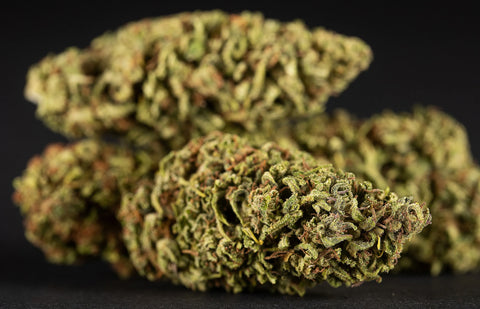
Conversely, a strain’s effect is said to be more Indica-dominant when, upon consuming cannabis flowers, we experience relaxing sensations that encourage physical and mental rest. These effects are completely opposite, and yet Americans—who have the world’s largest legal market—say that these terms will be used less frequently in the very near future, because today’s polyhybrids offer much more balanced and nuanced effects than in the past, making the distinction less clear. It’s fairly easy to notice this difference by trying various hybrids that contain some OG Kush.
With modern genetics, THC content is no longer the sole indicator of effect or potency; one must also take into account the “entourage effect,” which is driven by the presence of a wide range of cannabinoids, terpenoids, and flavonoids. Focusing solely on THC will mislead you, as the sensations you experience are also related to your physical and mental state at the time (accumulated fatigue, personal issues, etc.).
All of this also depends on your own biochemical makeup, since that, too, determines the sensations each person experiences. In any case, once again, you’ll need to listen to your own instincts and simply trust the sense of well-being provided by a specific cannabis strain. One thing is certain: if you’ve truly fallen in love with a particular cannabis plant, don’t hesitate to save a few high-quality cuttings for your next grow.
4- Size
We have now identified the organoleptic characteristics of cannabis, as these are the key factors that matter most to us during tasting—and the ones that will deserve your closest attention when selecting the best phenotype of your favorite cannabis strain.
However, it’s also important to consider other factors that ensure the crop’s full viability, such as the size of the plants you’ll be growing. This will directly impact the structural options available to you in your grow space. Growers who only have an indoor space with moderate or even drastically limited headroom will tend to choose Indica-dominant plants or autoflowering seeds, due to their compact size and closely spaced internodes.
That’s why, once again, strains like Purple Punch and Dutch Ryder Auto are perfectly suited for indoor cultivation worthy of the name. Although it’s a Sativa-dominant hybrid, Original Amnesia feminized seeds will deliver fabulous indoor results—just like all Kush genetics—if the right techniques are used (pruning and various pinching methods). On the other hand, plants with a high Haze content can turn out to be a real nightmare for growers, as pruning can be a real struggle to manage, and they may be disappointed by both the quantity and the overall quality of the harvest.
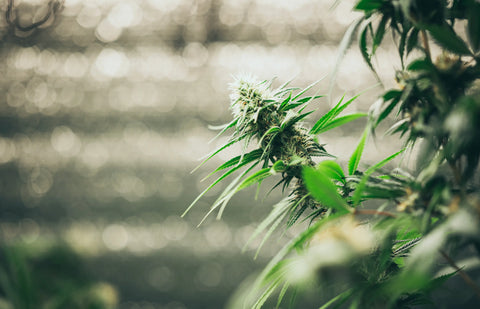
It’s important to give due consideration to all the characteristics of your plants, because you need to keep in mind that you’ll have to nurture their growth for weeks on end—which can seem like a long time if you’re struggling due to a poor choice of seeds. It’s true that placing your seed order a few weeks before the growing season begins is a fun and enjoyable experience, since there are so many varieties whose harvest and overall qualities are the stuff of dreams for any enthusiast of this beloved, ancient plant.
For professionals, this can be a crucial factor, particularly because optimizing their infrastructure has a direct impact on their profitability and, therefore, on what is produced on their farm. These days, there are so many different options for site layout—indoor vertical farming, which we’re seeing more and more of, and outdoor methods are evolving as well. Even though farmers love their work and the finished product, economic viability remains their primary concern, which makes perfect sense since it’s what supports them and their families. So the approach is different…
5. Production
Whether you’re a hobbyist or a professional, your goals often align in this regard, as both seek an option that yields a very bountiful harvest—even if your ultimate objectives are diametrically opposed. A passionate hobbyist’s goal is to achieve the best possible harvest in every respect within a limited space, since they tend to it daily for weeks on end—and this also entails associated costs. It therefore makes sense to choose a hybrid that we like for various reasons, but it’s important that the resulting harvest be sufficient to cover our personal consumption until the end of the next growing cycle.
That’s also why, when you use strains such as Critical Mango, L.A. Vanilla Cake, Moby Dick, Gorilla Frost, Original Amnesia, Purple Punch, Gorilla Glue, or even Critical+ 2.0 Auto Moby Dick Auto, you’ll be thoroughly satisfied in that regard.
For the professional, the reasons may differ, but the ultimate goal is the same: production capacity is undoubtedly what interests them most, as it directly impacts their business’s financial results. This shows that choosing the optimal genetics or seeds is indeed the first step in the process, and that it is best to give this matter the utmost consideration.
6- Duration of the growth and flowering period
This section will also be of interest to the two groups mentioned earlier, since the duration of the growth and flowering period allows us to determine how many annual production cycles we’ll be able to achieve. For the professional, it’s clear that an additional harvest during the year will significantly improve their bottom line. For the enthusiast, this will allow them to be more relaxed about their daily consumption and less restricted, or to share it with their closest friends, for their greatest enjoyment, since conviviality, humanity, and generosity are intrinsic values that go hand in hand with cannabis.
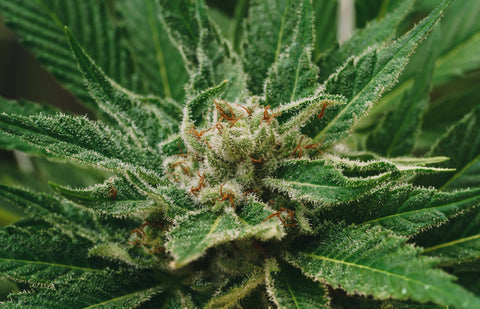
That’s why seeds from Gorilla Frost, White Widow, Gorilla Glue, or strains like Purple Punch, Skunk, or certain Kush varieties are excellent options for meeting this criterion. Original Amnesia offers a superb balance here, as its flowering time is short for a Sativa-Haze hybrid—it’s similar to that of an Indica, as is its final yield. Once again, it depends on the trade-offs you choose to make or on what your main priorities are.
One thing is clear: if the time factor is important to you, then it’s best to choose Indica-dominant strains. However, even a knowledgeable professional who is aware of this will have no choice but to select Sativa-dominant plants if they’re growing under difficult climatic conditions. There is also an ultimate solution for the latter: opting for a high-quality autoflowering strain, whose real added value is its speed.
7- Resistance to mold and insects
This issue ranks high on the list of priorities for the experienced professional, second only to production, because significant losses of hundreds or even thousands of plants could be disastrous for them and undo all the efforts made up to that point. The direct consequence would be a threat to their financial stability. It is therefore essential, during the selection process, to retain only the plants that are most resistant to various pests and diseases.
For the passionate cannabis grower, the challenges are different, but it’s also more worthwhile to preserve varieties that can withstand these harmful natural elements; otherwise, they’ll lose—relatively quickly—the plants that captivate and delight all their senses.
For all these reasons, it is of the utmost importance to retain only those plants or phenotypes that exhibit complete and high-quality characteristics, have a strong immune system, and—above all—are well-suited to your local climate; otherwise, problems will arise quickly. Be careful: the same rules apply indoors. Although we can control the climate, that alone won’t be enough, and complications will arise sooner or later. We can’t stress this enough: exercise the utmost caution when ordering your seeds.
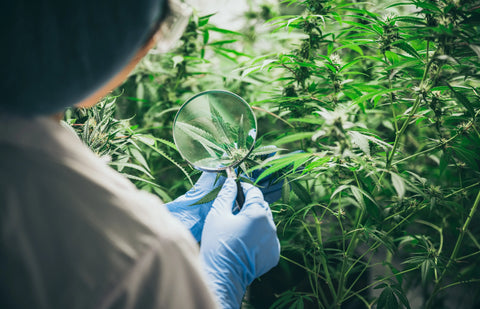
8- Beware of genetic defects
When we talk about genetics, we’re talking about living beings, which—like us—are not all biologically identical. You may find a phenotype with exceptional performance—and therefore extraordinary quality—right in the middle of a selection of thousands of plants. However, the future of your elite clone could be jeopardized if the one you’ve chosen exhibits certain abnormal deformities or genetic mutations.
It’s exactly the same thing: if you decide to keep hermaphroditic feminized strains grown from seeds, it’s best to get rid of them right from the start because you’ll gradually run into recurring problems, which could even get worse depending on the various stresses that arise at one time or another within your grow space. Don’t be fooled into thinking that growing indoors in a controlled environment will spare you from these issues—that’s an illusion. If you want to grow plants from feminized cannabis seeds, set your standards high to avoid ending up in a state of utter chaos when flowering time comes.
If you always work with high-quality seeds, you’ll avoid a host of problems like these and prevent yourself from wasting money, energy, and time for nothing. There’s a basic rule: if you notice signs of genetic degeneration right from the start, don’t hesitate for too long—even if the buds look appealing and delicious. We cannot preserve or enhance our collection of elite clones with plants that exhibit significant abnormalities, which could degenerate even further over time—because that is clearly what happens most of the time.