Since the 1990s, advancements in the cannabis industry have made it possible to maximize the yield of marijuana crops both indoors and outdoors. In this regard, feminized seeds play a crucial role, thanks to the benefits they offer. For both novice and more experienced growers, feminized strains stand out for their ease of cultivation.
They provide maximum peace of mind when it comes to identifying male plants that can ruin bud production. Right alongside them are autoflowering strains, which, despite much controversy, remain highly sought after. Much like the THC vs. CBD debate, there is now a discussion about whether to choose a feminized or autoflowering cannabis strain. Discover the characteristics of these two strains here to help you make a choice for your next cannabis grow.
What are autoflowering cannabis seeds?
Autofloweringcannabis seeds are a popular choice for beginners because they flower automatically, are easier to grow, smaller in size, and faster to harvest than feminized seeds. They also require a simple lighting schedule and are more resistant to temperature fluctuations, pests, and fungi, making them an ideal way for beginners to get started with cannabis cultivation.
These days, just like feminized cannabis seeds, autoflowering seeds grow into female plants that produce the smokable cannabis most growers are looking for. These plants grow quickly and easily, making them a pleasant and straightforward choice for cultivation. Since their origins, autoflowering plants have had to survive in harsh environments, making them strong and highly resilient plants that flower very quickly for fear of dying at any moment.
What are the benefits of autoflowering cannabis seeds?
The characteristics of autoflowering cannabis seeds are already significant advantages, but you’ll find even more benefits when you compare them to feminized cannabis seeds. Autoflowering cannabis seeds are more resistant to cold climates. They grow better in cold climates than feminized seeds. They develop more quickly. These plants have complete life cycles ranging from 60 to 90 days. Growing autoflowering cannabis seeds is also easy. Auto seeds are ideal for beginners looking to start growing weed. You don’t need to worry about changes in light.
However, it’s important to keep an eye on them and watch for the first signs of flowering. Since their growth cycle is so short, the cannabis plant needs to be in good condition to reach a decent size. They’re also more discreet. These plants are generally smaller than others with longer growth cycles. This makes them perfect for small, visible spaces, such as balconies, patios, or other light-filled areas of the house.
What are feminized cannabis seeds?
While top-quality autoflowering cannabis seeds require less attention and yield faster harvests, feminized cannabis seeds offer their own advantages. Needless to say, with feminized cannabis seeds, you don’t have to worry about producing male plants (which won’t yield smokeable cannabis rich in THC and CBD). You can expect larger plants and a higher yield with feminized seeds, as the smokeable cannabis is often more potent than that grown from autoflowering seeds.
Given their superior yield and the fact that feminized plants can be cloned (autoflowers cannot), most serious growers choose to grow using feminized seeds. Although they require more space, more care and attention, and a more demanding lighting schedule, feminized cannabis seeds continue to be in the spotlight.
What are the benefits of growing feminized seeds?
There are many advantages to growing feminized cannabis seeds, which have become the most widely sold, in-demand, and commonly used by the vast majority of cannabis growers. One of the main reasons for their popularity is how easy they are to grow, as there is no need to go to the trouble of identifying male plants to ensure that the crop consists entirely of females.
Furthermore, due to this clear market dominance over the past three decades, the selection of feminized seeds—also known as seedless marijuana—is much broader and more varied than that of regular seeds. These premium-quality cannabis seeds are characterized by stable and consistent growth, allowing you to make the most of your growing space, whether in tents, rooms, greenhouses, or outdoors. It is also worth noting that they come in different forms, depending on their genetic makeup, chemical composition, and morphology, highlighting CBD-rich varieties, which are ideal for medical cannabis.
What are the differences between feminized and autoflowering strains?
When it comes to growing these types of seeds, there are many differences that can influence each gardener’s decision based on their preferences and circumstances. Transition to flowering
The main difference lies in the transition to flowering. While autoflowering cannabis seeds do this automatically, feminized (female) cannabis seeds require manual intervention indoors, switching from 18 to 12 hours of light. Outdoors, they are characterized by the fact that they depend on a fixed schedule.
Furthermore, due to their rapid growth and short life cycle, it is not advisable to prune autoflowering cannabis plants during the vegetative stage, as they will not have enough time to recover, unlike feminized plants. Similarly, autoflowering varieties are generally not transplanted either, which allows for the use of photoperiods.Crop production
The second major difference is the ability to grow multiple crops outdoors in the same year. While feminized cannabis seeds grown under direct sunlight have only one growing season, autoflowering strains can yield up to 3–4 harvests, depending on the variety and the region’s climate. Furthermore, since photoperiodic varieties have a longer life cycle, they require a higher level of experience and basic knowledge, as it is important to know the exact planting time to avoid future damage and unforeseen events during cultivation.Yield
Due to these differences in cultivation methods, feminized cannabis strains are capable of producing a higher final yield of weed in both indoor and outdoor cultivation than autoflowering seeds. It is also important to note that autoflowering cannabis seeds are more tolerant of potential over-fertilization compared to feminized seeds, which require greater precision when it comes to providing the nutrients the plants need. Since autoflowers result from crossing indica or sativa genes with ruderalis, their growth is characterized by remarkable hybrid vigor compared to feminized strains.
What are the morphological differences between these two cannabis strains?
Beyond the cultivation methods and the main characteristics of feminized seeds compared to autoflowering seeds, it is also important to highlight the morphological differences between them. All of these differences are easily observable, so it is essential to be familiar with them in order to choose the perfect strain.Size
Due to the short growth phase of autoflowering strains, they generally remain much smaller than feminized strains, as the vast majority do not exceed one meter in height. This compact size can be a drawback for some growers. Conversely, for others (especially less experienced growers), this could be an excellent solution, as they are easier to manage in smaller spaces. This characteristic also makes autoflowering seeds more discreet, making them ideal for balconies and terraces, as well as for guerrilla growing.The calyx-to-leaf ratio
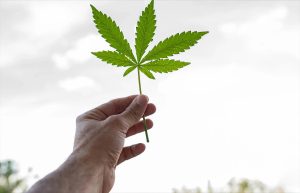
When it comes to the calyx-to-leaf ratio, feminized strains once again come out on top, as autoflowering strains generally produce more leaves, which makes it difficult to pick the flowers during harvest. Similarly, the leaves of photoperiod strains generally affect their appearance depending on the genetics: Indica or Sativa. However , the leaves of Autoflowering Cannabis Seeds generally resemble those of Ruderalis strains, with 5 or 7 moderately broad leaflets.The appearance of the buds
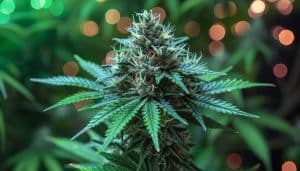
When it comes to buds, feminized Indica-dominant strains have a higher density than autoflowers, and they also produce more resin around the flowers, resulting in more intense flavors and aromas. Furthermore, due to their Ruderalis genetics, autoflowers generally contain less THC than feminized strains.
How can you successfully grow autoflowering seeds?
Although these plants are easy to grow, to get a good harvest, you need to know them well and understand what they need at every stage.
Make the most of the months when the days are longest
Although these cannabis seeds are not dependent on the seasons, they will produce better results if sown when the weather is favorable and the days are long. The best time to plant them is during June, July, and August, or December, January, and February in the Southern Hemisphere.
Control your exposure to light
Ideally, autoflowering cannabis seeds should be exposed to light cycles of at least 18 hours a day when grown indoors. When growing under artificial lights, these should be on for 18 to 20 hours a day. The more light they receive, the faster these plants will grow and the better the harvest will be.
Avoid transplanting
Autoflowering cannabis plants have a short life cycle, so it’s best not to subject them to too much stress. They likely won’t have time to recover and complete a normal growth cycle afterward.
Does autoflowering marijuana need fertilizer?
That’s true—your autoflowering plants will also need a good amount of fertilizer. The difference is that they’ll need less fertilizer than feminized cannabis plants. This is because these plants tend to be compact in size due to their short life cycle.
And ultimately, a small plant needs fewer nutrients than a larger one. On the other hand, plants grown from autoflowering cannabis seeds have hardy genetics. They are therefore equipped to survive and thrive in harsh conditions, as well as to grow in poor soil. It’s important to remember that not all autoflowering cannabis strains are the same or have the same needs.
How to successfully grow feminized cannabis seeds?
In practice, virtually any feminized cannabis strain can be grown both outdoors and indoors. However, depending on the location, the crop will exhibit certain characteristics.
Indoor growing
Growing indoors means personally adjusting the plant’s light and dark cycles. In general, during the growth phase, feminized marijuana will need more light, so grow lights should provide 18 hours of light. Moving into the flowering phase means switching the lighting to a 12/12 cycle, simulating an autumn schedule. However, there will be plants that, with slight variations from this rule, will yield higher harvests. It’s best to experiment gradually. With basic care and the right light schedule, it’s easy to achieve a good harvest.
Outdoor cultivation
Growing feminized marijuana outdoors means being in a climate zone that is optimal for the chosen strain. If it is not grown in a suitable climate, with the necessary hours of light and darkness, it will be impossible to achieve the best results. Additionally, it is very important to plant feminized cannabis seeds at the right time so that you can harvest before the first frost and avoid exposing the plants to unfavorable temperatures.
Of course, whether growing feminized marijuana indoors or outdoors, the cannabis plants will need to be cared for. This includes providing the necessary nutrients at a controlled pH level using the right type of marijuana fertilizer, as well as maintaining temperatures around 21°C and humidity levels of 40–50% during flowering.