The yield potential of a cannabis seed is a question frequently asked by both novice and experienced growers. This question, which lies at the heart of concerns related to growing cannabis at home, involves several key factors such as genetics, the growth and flowering stages, and growing conditions. Let’s break down what influences yield to better understand how much cannabis can be expected from a single seed.
Factors affecting the yield of a cannabis seed
The amount of cannabis you can expect to grow from a single seed varies considerably depending on several key factors. First, the plant’s genetics play a crucial role in its growth potential and productivity. Certain strains are specifically bred for their ability to produce large quantities of flowers. Next, the growing environment—whether indoor or outdoor—as well as soil quality and lighting directly affect the plants’ growth and flowering. How the grower manages the plant’s growth stages, including watering, fertilization, and pruning, will also significantly influence the final harvest yield.
Genetics and seed types
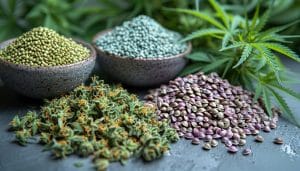
Cannabis seeds fall into three main categories: regular, feminized, and autoflowering. Regular seeds produce both male and female plants, while feminized seeds are designed to produce only female plants, which are more useful for harvesting buds. Autoflowering seeds, on the other hand, automatically flower after a few weeks without requiring any changes to the light cycle. Selecting the right seed for the desired type is crucial for optimizing yield.
Environmental Monitoring and Optimization
Indoor cultivation allows for precise control of environmental conditions such as light, temperature, and humidity—factors that are critical to the success of cannabis cultivation. Carefully controlled lighting promotes robust growth and abundant flowering. In contrast, outdoor crops are often subject to weather fluctuations, which can present additional challenges but also provide more space for the plants to grow to their full potential.
Effect of growth stages on yield
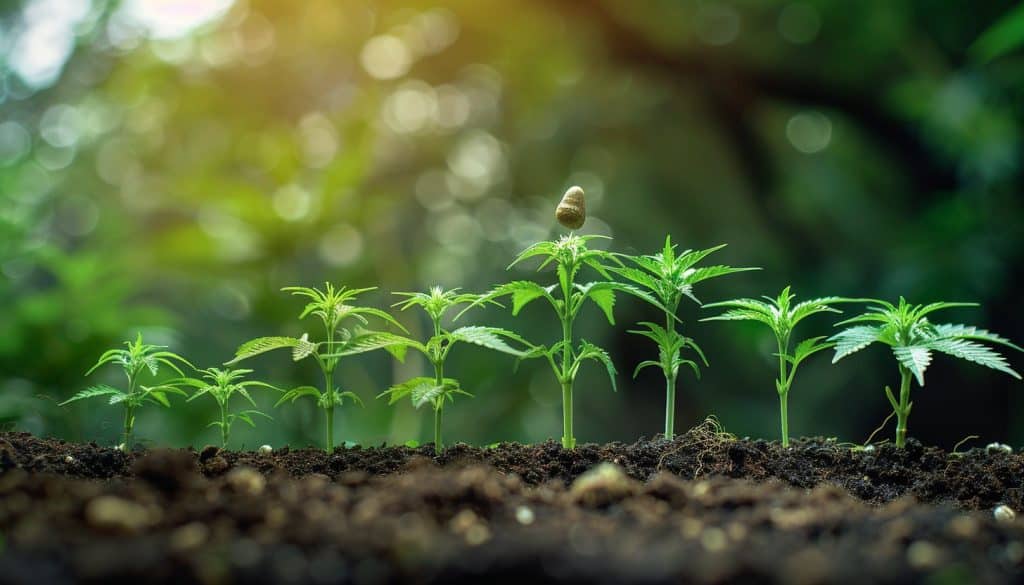
From the seedling stage to the harvest of the flowers, every phase of a cannabis plant’s life is essential to ensuring optimal yield. Understanding and mastering these stages is therefore essential for any grower who wants to maximize the amount of weed produced from a single seed.
Vegetative growth phase
During this period, the cannabis plant builds its root system and develops its foliage. Optimal health during this phase ideally prepares the plant for abundant flowering. Sufficient nitrogen and a good spectrum of blue light promote vigorous growth. It is also advisable to use training techniques to maximize the surface area exposed to light.
Flowering stage
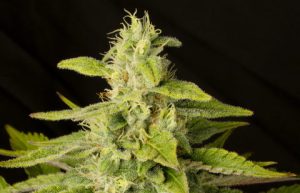
After this vegetative phase, the plant enters the flowering stage when it begins to receive 12 hours of light and 12 hours of total darkness daily, under indoor conditions. For autoflowering seeds, this transition occurs automatically. During flowering, the primary nutrients required are phosphorus and potassium to promote bud development. Special attention must be paid to maintaining stable conditions to avoid stressing the plant, which could compromise the quantity and quality of the flowers.
Typical results and exceptions
- Regular seeds: On average, a plant grown from a regular seed can yield between 50 and 500 grams, depending on how growing conditions are managed.
- Feminized seeds: With proper growing techniques, you can generally expect a yield of between 100 and 600 grams per female plant outdoors.
- Autoflowering seeds: Naturally smaller in size, these plants typically yield between 20 and 200 grams. That said, their short growth cycle allows for multiple harvests per year when grown indoors.
In short, predicting how many grams of weed will be produced from a single seed is not an exact science but rather an estimate based on a careful analysis of numerous factors. However, a thorough understanding of these factors can go a long way toward maximizing the potential of each seed.