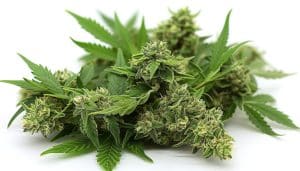
If you’re a cannabis connoisseur, chances are you’ve heard a lot about the different terpenes found in various cannabis strains. Terpenes, which are natural compounds found in plants, give each plant its distinctive smell and taste. In the cannabis plant in particular, the terpene caryophyllene seems to be the most notable.
Its unique aromatic properties and scent profile are spicier than most others, but there’s much more to this terpene than just a hint of pepper. Whether you’re wondering if this terpene will get you high or you just want to explore how this particular terpene works in your body, this post will give you more information.
Terpenes: Everything You Need to Know About Caryophyllene
Terpenes are the most diverse group of organic compounds found in nature, and they are known for imparting aroma and flavor. They occur naturally in many plants and animals. In general, terpenes serve two functions. First, they can repel predators or parasites through their powerful aromas. Second, they can help facilitate certain symbiotic relationships. For example, flowering plants can use terpenes to attract bees for pollination.
One plant family in particular has a special relationship with terpenes: cannabis. Caryophyllene is one of the most abundant terpenes found in this plant. It is responsible for the fantastic flavors and alluring aromas of many hemp varieties. Some flowers containing caryophyllene may have a more musky aroma or the sickly-sweet smell of diesel.
The main characteristics of caryophyllene: smell and taste
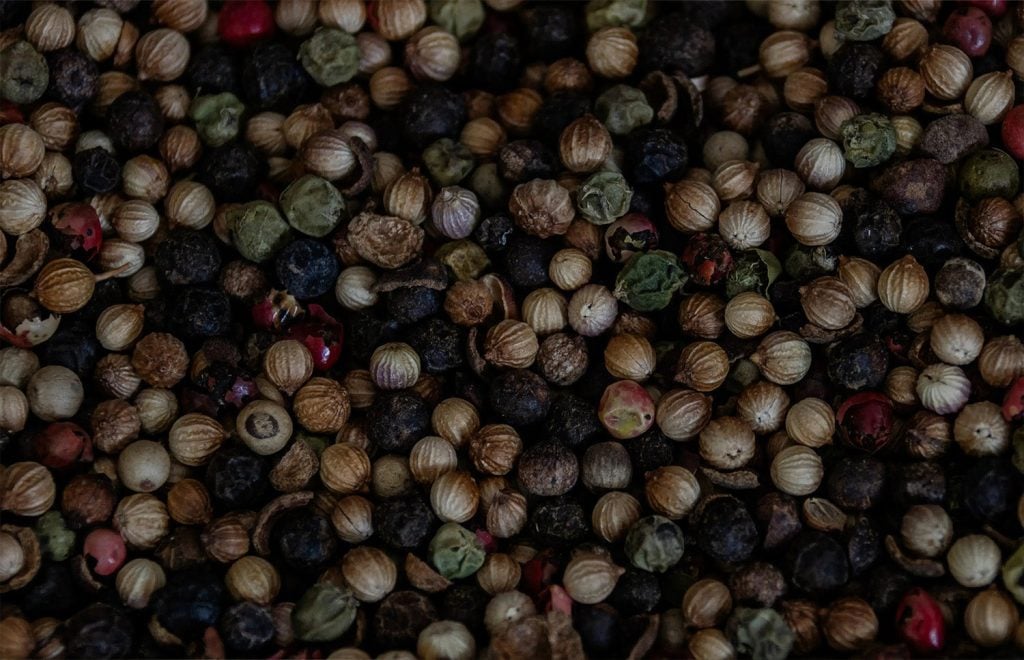
Notable as a dietary cannabinoid, the terpene caryophyllene is a common natural food additive. Caryophyllene, better known as beta or b-caryophyllene ( BCP), is an extremely common terpene in cannabis, known for its spicy and herbaceous character with woody notes. Certain cannabis strains with a spicy, warm undertone have high concentrations of caryophyllene. Most people associate its aroma with the scent of crushed pepper—somewhat pungent. It is found in countless spices, herbs, and even aromatic oils. Some of the most common are:
- Black pepper,
- Basil,
- Oregano,
- Cloves,
- Hops and
- Cinnamon.
Caryophyllene has also been used as a flavoring agent in chewing gum to enhance a citrusy or spicy flavor profile. This terpene is also used in some laundry detergents. Other products include
- Face creams;
- Shampoos;
- Hair conditioners;
- Cooking Spices.
Pale yellow in color, caryophyllene has a sweet taste found in foods such as allspice and figs.
What makes caryophyllene unique?
Caryophyllene is a powerful ingredient in anti-inflammatory ointments and topical products. It also has anticancer, antibacterial, antifungal, and antiseptic properties. Caryophyllene’s molecular profile is also unique in that it is a much larger molecule than other terpenes, such as limonene and myrcene.
It also contains what is known as a cyclobutane ring. This compound is extremely rare in nature, and you won’t find it in any other cannabis terpene. One of the most interesting things about caryophyllene is that it has a unique relationship with our endocannabinoid system. This gives it a variety of medical benefits.
How does this work in our bodies?
We have a massive network of receptors in
throughout our entire body. Two of the most important are the CB1 and CB2 receptors. The CB1 receptor is found in the central nervous system and the brain, while CB2 receptors can be found in our peripheral organs. When our body comes into contact with a cannabinoid such as THC, it binds to the CB1 receptors in the brain and nervous system to create a blissful high.
Now, when it comes to the terpene caryophyllene, things are different. The structure of this terpene makes it easier for it to bind to CB2 receptors, which are located primarily in the peripheral endocannabinoid system. So, instead of getting that euphoric high you were expecting, the experience is much more subdued. However, you also get the countless benefits associated with the activation of the body’s important receptors.
How does the terpene beta-caryophyllene make you feel?
It is important to note that caryophyllene is not a psychoactive substance. This means that it does not get you high on its own. Nor does it interact with your endocannabinoid receptors like other compounds in cannabis. It also reduces the effects of THC, which can include anxiety and paranoia.
Interestingly, most people feel calmer and more positive after consuming caryophyllene, but do not experience a “high.” Its effects are similar to those of CBD infusions. Isolated terpenes do not get you high. However, caryophyllene interacts with CBN, CBD, and THC to create a unique experience that is well known in commercially grown cannabis strains. This particular terpene is essential to producing the entourage effect because of the way it affects your systems. So, while it doesn’t get you high, caryophyllene plays an important role in creating the general euphoric feeling that comes from consuming THC.
What are the effects of caryophyllene?
Like a CBD tea, caryophyllene is well known for its relaxing effects, which can soothe feelings of nervousness. Caryophyllene also has potentially beneficial health properties, although experts are still in the process of confirming these benefits. Even if the effects of this terpene are verified, you should never use it as a substitute for medical treatment. Caryophyllene is effective in combating many ailments.
Anxiety
Science has identified the CB1 receptor as playing a key role in anxiety. If the CB1 receptors in the brain’s amygdala are blocked, or if the gene that encodes the CB1 receptor is knocked out, anxiety increases. Dopaminergic neurons contain CB2 receptors, and therefore, blocking or knocking out these receptors can modulate anxiety-like behaviors. In fact, under inflammatory conditions, the expression of CB2 receptors in the brain is increased. This means that selective CB2 agonists such as beta-caryophyllene are beneficial for treating anxiety.
Depression
Overexpression of CB2 cannabinoid receptors is also implicated in other neuropsychiatric disorders such as depression and schizophrenia. Eating disorders and alcohol-seeking behavior are also affected by the overexpression of CB2 receptors on dopaminergic neurons. Since beta-caryophyllene is a CB2 agonist, it may help alleviate depressive moods and other neuropsychiatric disorders.
Inflammation
A fairly common benefit of cannabis terpenes is their anti-inflammatory properties. This benefit could very well reduce your pain levels. In fact, a 2014 study showed that this terpene can reduce neuropathic pain just as effectively as a CBD infusion. Researchers found that the effect was so potent that it could be useful for treating long-term chronic pain because our bodies do not appear to be able to develop a tolerance to its effects.
Chronic and Neuropathic Pain
The anxiolytic, antidepressant, and anti-inflammatory properties of beta-caryophyllene make it potentially very useful for treating chronic and neuropathic pain. Beta-caryophyllene has been shown to have analgesic and anticancer effects. Powerful nonsteroidal anti-inflammatory drugs (NSAIDs) such as celecoxib, which contain this terpene, are often prescribed to treat arthritis pain and short-term nerve pain. However, at higher doses, celecoxib has several unpleasant side effects, including abdominal pain, nausea, and diarrhea.
Neurodegenerative disorders (Parkinson's disease, Alzheimer's disease)
CB2 receptors are a potential therapeutic target for many different neurodegenerative disorders. Downregulation of CB2 receptors has been reported in the brains of patients with Parkinson’s disease, leading to inflammation and brain degeneration. Beta-caryophyllene, much like a CBD-infused herbal tea, acts on CB2 receptors to alleviate excessive inflammation in the brain. It is believed that the activation and upregulation of CB2 receptors protect against neurodegenerative changes in people with Parkinson’s disease (PD).
Brain Disorders and Weight Loss
One of the remarkable effects of this terpene is that it reduces neuroinflammation and increases antioxidant levels in the brain. This helps reduce swelling, seizures, and even brain damage in stroke victims. Finally, when combined with humulene, another terpene, beta-caryophyllene binds to CB2 receptors to suppress your appetite. Doses ranging from 10 to 200 mg produce an effect that can aid in weight loss.
Cancer and Diabetes
While noting the need for further research, scientists nevertheless praised caryophyllene for reducing the growth and proliferation of cancer cells. It also enhances the effectiveness of certain cancer treatments, according to a 2016 study published in the journal *Cancer Medicine*. As for the other potential benefits ofbeta-caryophyllene, there is evidence suggesting that the terpene helps balance glucose levels in people with diabetes.
A Few Tips for Using Caryophyllene Properly
Beta-caryophyllene can be excellent for treating anxiety, but when combined with high levels of pinene, limonene, THC, and THCV (tetrahydrocannabivarin), it can cause more anxiety. It’s best to start with lower doses, such as with CBD infusions, and see how the entourage effect impacts your experience. This combination of cannabinoids and terpenes may be helpful for:
- Diabetes;
- Neuropathic Pain;
- Depression;
- ADD/ADHD (Attention Deficit Disorder with or without hyperactivity).
For anxiety, insomnia, and chronic muscle and joint pain, beta-caryophyllene combined with the following may be a more appropriate choice of cannabinoids and terpenes:
- Myrcene;
- Linalool;
- Terpineol;
- CBD;
- THC.
Once again, it is recommended to start with lower THC strengths—without taking beta-caryophyllene into account—and to increase the strength as needed to help with a specific condition.
Which cannabis strains have high levels of beta-caryophyllene?
Now that you know everything there is to know about this cannabis terpene, it’s time to explore where you can find it and which strains are richest in it. Cannabis strains with high caryophyllene content are most often spicy and musky, and many even have a slightly odd profile. Others have pronounced notes of diesel and fuel and may even cause strange sensations in your nose, as if you were smelling pepper. Among the strains with higher caryophyllene content are the following:
- Skywalker OG
This hybrid strain originates from California and has a strong earthy or diesel aroma. It produces a euphoric and sometimes sleepy high, perfect for winding down at the end of the day.
- Bubba Kush
This incredibly popular, Indica-dominant strain has a spicy, often woody aroma and delivers an intense, stimulating high that will leave you feeling relaxed. It’s an Indica strain with some of the most calming effects of any cannabis strain.
- Sour Diesel
This is a hybrid strain resulting from a cross between Super Skunk and Chemdawg. It is excellent for relieving mental health issues and distress.
- Candyland
This is a Sativa strain derived from Granddaddy Purple and Bay Platinum Cookies. This Sativa strain offers an energizing experience that lifts your mood and works well for managing pain or muscle tension. Its flavor profile is primarily sweet with floral and earthy undertones.
- Original Glue
Formerly known as Gorilla Glue, this strain is a hybrid of Sour Dubb, Chocolate Diesel, and Chem’s Sis.
- Death Star
This is a popular Indica strain that is a cross between Sensi Star and Sour Diesel; it’s skunky and delicious.
- Chemdawg
This is a parent strain ofOG Kush , and Sour Diesel, and it has a diesel aroma and relaxing effects that are hard to beat. This Hall of Fame strain has a strong diesel aroma that matches the intensity of its high. A smoking session with Chemdawg offers a cerebral experience and a heavy physical high—perfect for letting your worries melt away.
- GSC-Girl Scout Cookies
This is an Indica-dominant strain created from "OG Kush " and "Durban Poison."
- Master Kush
Another popular Indica strain, this is a cross between Hindu Kush and Dutch White Label.
- Cookies and Cream
This is a hybrid that offers a pleasant high, providing users with the relaxing effect they're looking for.
- Gelato
Also known as “Larry Bird,” Gelato owes its sweet taste to a blend of Sunset Sherbet and Thin Mint GCS. This THC-rich strain delivers a strong, euphoric high and provides pain relief.
Beta-caryophyllene might just be the best terpene nature has to offer. It’s incredibly effective, much like CBD infusions. It’s certainly one of the most abundant terpenes, and it even has the ability to bind to CB2 receptors. Whether it’s spicy or musky, caryophyllene is always strong and bold. With further research, we can explore the potential health benefits of this terpene even more deeply.