Growing cannabis from seeds is an exciting yet delicate process that requires patience and care. This guide provides a comprehensive overview of how to get started, from choosing the right supplies to actually planting the cannabis seeds.
Choosing the Right Equipment
Before you start planting a cannabis seed, choosing the right equipment is essential. You’ll need pots, suitable soil, and, if you’re planning to grow indoors, possibly special grow lights. Opt for pots that are about 15–20 cm deep to allow for optimal root development. As for the soil, choose a lightweight but nutrient-rich substrate. Be sure to check that the soil provides good drainage, as excess water could damage the fragile roots of your young cannabis plants.
Preparing seeds for germination
The Wet Towel Method
To improve the chances of germination, the damp paper towel method is widely recommended. To do this, lightly dampen two paper towels and then place the seeds between them. Make sure the towels stay moist at all times during this period. The location where you place the paper towels should be warm (ideally around 22°C) and dark. After a few days, you should see the first roots appear, indicating that it is time to transfer the seeds to their final pot or planting hole.
Direct planting in the ground
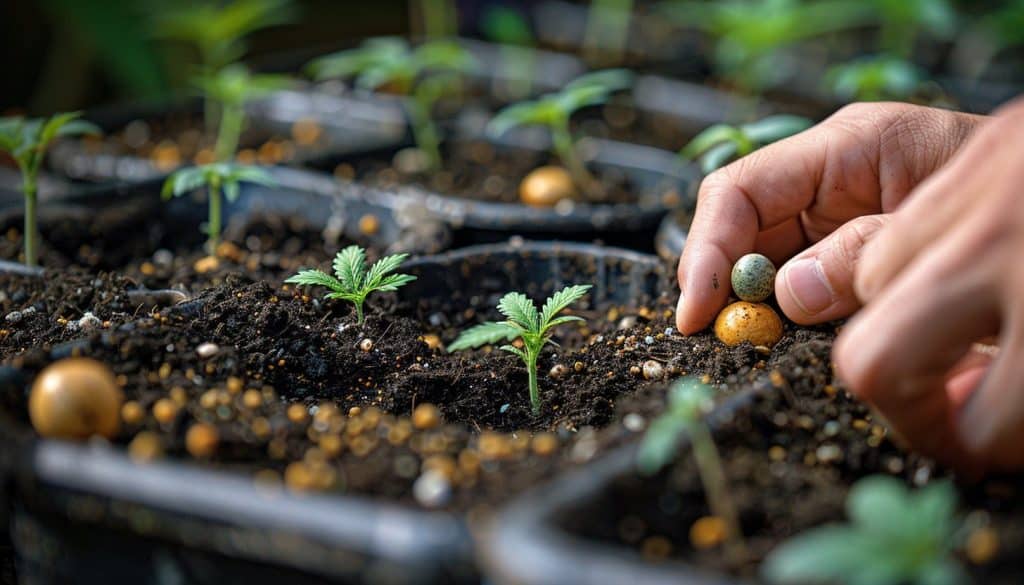
This technique involves placing the seeds directly into the prepared soil. Make a small hole in the potting soil about twice the size of the seed. Gently place the seed inside and lightly cover it with soil without packing it down. Be sure to keep the soil moist but not waterlogged, and keep the pot in a warm, bright spot, but away from direct sunlight, until germination.
Post-germination care
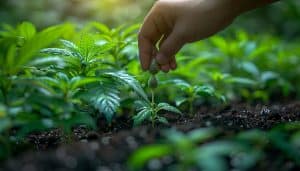
Once the seeds have germinated, it is crucial to provide the seedlings with proper care to ensure robust growth. Young cannabis plants need sufficient light, water, and nutrients. In the early stages, it is often best to use a grow light to precisely control light exposure. Water the plants regularly but moderately to avoid the risk of root rot. The growth phase is also when you can begin using fertilizer; choose a fertilizer formulated for cannabis and start with a diluted dose to gradually acclimate the plants.
Monitoring progress and making necessary adjustments
Like any other type of gardening, growing cannabis requires constant observation and adjustments. Check the condition of your plants regularly to detect signs of disease, pests, or nutritional deficiencies. Yellowing or drooping leaves may indicate a watering problem (too much or too little) or a nutritional imbalance. Adjust the watering frequency, light conditions, and nutrient supply based on the needs you observe. Careful monitoring over time will help you grow healthy, vigorous cannabis plants.
Final analysis of the results
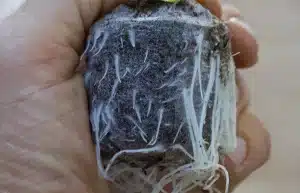
- Visible roots: A key indicator of the good health of young plants after transplanting.
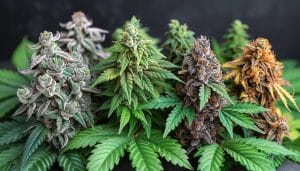
- Development of the first buds: A sign that the flowering phase has begun, requiring a change in the plants’ nutrition.
Growing cannabis may seem complicated, but with the right tools and techniques, it’s accessible to anyone who wants to try it.