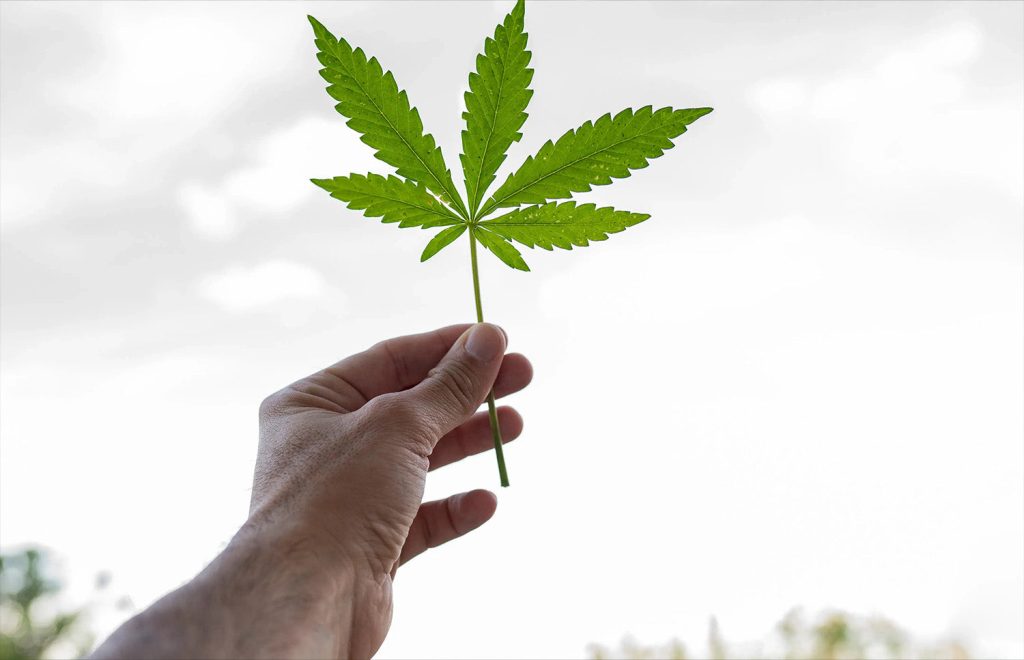
Over the past few centuries, the cannabis plant (Cannabis sativa) was one of the most highly regarded crops in the world, providing a range of products often considered indispensable. However, a few years ago, an exaggerated fear of cannabis’s potential for abuse led to repressive measures. As a result, marijuana is considered illegal in many countries. Like many people, you’re probably wondering why marijuana is illegal. To find the answer to this question, you absolutely must read this article.
Marijuana: What Is It?
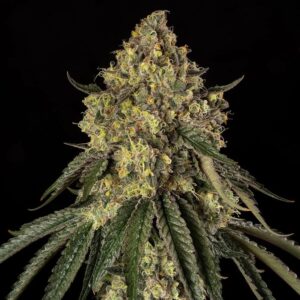
Marijuana, also known as cannabis, pot, weed, or dope, refers to the dried flowers, leaves, stems, and seeds of the cannabis plant. The cannabis plant contains more than 100 compounds (or cannabinoids). These compounds include tetrahydrocannabinol (THC), which has psychoactive effects, as well as other cannabinoids. Cannabis also contains active compounds, such as cannabidiol (CBD). CBD has no harmful effects, meaning it does not cause a “high.” Marijuana can be used in several ways. It can be:
- Smoked in joints (like a cigarette), in blunts (cigars or cigar wrappers partially or completely filled with marijuana), or in bongs (pipes or water pipes);
- Inhaled using electronic vaporizers (such as vape pens) or other vaporizers;
- Mixed into or infused in foods or beverages (known as edibles) such as cookies, cakes, brownies, tea, cola, or alcohol.
In addition, some people inhalecannabis oil concentrates and other marijuana extracts—a practice known as dabbing.
The Controversy Over Marijuana
Cannabis sativa is best known as the plant from which marijuana is derived, the most widely used illicit recreational drug in the world. However, it is also extremely useful as a source of stem fiber, edible seed oil, and medicinal compounds. These uses are all the subject of extraordinarily promising research, technological applications, and commercial investments. Indeed, despite their potential for harm as a recreational drug, cannabis seeds have phenomenal potential to provide new products that benefit society and to generate numerous jobs and enormous profits.
Why is marijuana illegal?
Until recently, policies have prevented legitimate research into the beneficial properties of cannabis in order to maintain its illegal status. Although there is now a surge of societal, scientific, and political support for reevaluating some of the barriers to its use, marijuana remains illegal for the time being. And there are many reasons for this.
Cannabis is a drug
The main cannabinoids in the cannabis plant are THC, CBD, and CBN. Since they are found in the plant, all three are also known as phytocannabinoids, as opposed to endocannabinoids (anandamide and 2-AG), which occur naturally in the body. Among these, THC is considered the primary substance responsible for the psychoactive effects sought by cannabis users. THC and its synthetic form, dronabinol, are used for medical purposes to treat various conditions. These include:
- anorexia associated with weight loss in patients with acquired immunodeficiency syndrome (AIDS),
- nausea and vomiting associated with cancer chemotherapy and
- chronic pain associated with conditions such as multiple sclerosis and neuropathic pain.
When used recreationally by a healthy person, THC can induce psychotic symptoms and anxiety and impair memory and psychomotor control. However, in patients with schizophrenia, it can exacerbate existing psychotic symptoms, anxiety, and memory problems. It is therefore considered the primary cannabinoid responsible for the development of mental disorders in long-term heavy marijuana users.
Cannabis: A Controversial Topic
If cannabis has not yet been legalized, it is also because there is no consensus on its legalization. Worse still, research into impartial scientific knowledge has been significantly curtailed, a glaring example of how political agendas shield certain topics from objective scrutiny. Furthermore, human prejudices against recreational drugs in general and the relentless condemnation of marijuana in particular have made it a taboo subject.
In fact, it is very difficult to find assessments of marijuana that are free from bias, distortion, emotion, and selective consideration of the evidence. The literature—and especially the internet—is rife with conflicting claims. On one hand, some advocates insist that cannabis offers the perfect path to the world’s economic, ecological, and medical salvation. Others, however, claim that it is a fraudulent hoax that will undermine financial, moral, physical, and societal well-being. Given such controversy, legalizing cannabis would leave citizens more vulnerable to insecurity.
Cannabis use could skyrocket
One reason why the legalization of cannabis is causing such a stir is that various states fear uncontrolled cannabis use will lead to an increase in the number of users. This is already the case in some countries.
- In Canada, the rate of cannabis use is among the highest in the world. More than 40% of Canadians have used cannabis at some point in their lives, and about 10% have used it in the past year. No other illegal drug is used by more than 1% of Canadians each year.
- In England & Europe , the statistics are alarming. Although usage remains stable, it is worth noting that 11.3% of French people aged 18–64 (15.2% of men and 7.5% of women) use marijuana.
Given the growing population and the expansion of individual freedoms, legalizing cannabis would have uncontrollable consequences. If cannabis is legalized, governments fear that this decision will directly increase the number of users and that the legislation will be perceived as encouraging consumption.
Use by young people and threats to public safety
Legalization could lead to an increase in the number of young users, who are highly susceptible to the negative effects of the drug. According to a study published in the International Journal of Drug Policy, 10% of high school students who are currently at low risk of using marijuana say they would use it if it were legal. This could give rise to a new generation of chronic users.
Even people who don’t smoke cannabis can experience the negative effects of its more widespread use. In an article published on Kevin MD, Dr. Jane Curley expressed concerns about the following points:
- Secondhand smoke: Café employees and others will be more exposed to a carcinogen identified by the EPA.
- Drunk Driving: Cognitive impairments can make marijuana users dangerous on the road.
- Protecting young people: More people are likely to be around schools and playgrounds without the threat of law enforcement. There is also concern that marijuana will not be sold in child-resistant packaging.
- Product quality: There are currently no comprehensive regulations in place to ensure the safety of storage, transportation, and cultivation practices in order to protect a nation’s legal users from mold and other health risks.
Furthermore, what undeniably justifies the illegality of marijuana is the multitude of harmful effects caused by its use.
What are the harmful effects of marijuana?
Cannabis is not a harmless substance. Its health risks increase with the frequency of use. With frequent use, cannabis is particularly associated with an increased risk of:
- Problems related to cognitive and psychomotor functioning,
- Respiratory problems,
- Cannabis dependence, and
- Mental illness.
Cannabis addiction
About 9% of cannabis users develop a dependency. These dependent users may find it difficult to stop or reduce their use, and thus continue to use cannabis despite its negative effects. Those who stop suddenly may experience mild withdrawal symptoms, including:
- Irritability,
- Anxiety,
- Stomachache,
- Loss of appetite,
- Sleep disturbance and
- Depression.
People who use cannabis frequently and have done so for a long time are at a higher risk of developing a dependence than occasional users. The risk of developing a cannabis seed use disorder is higher among people who start using them during childhood or adolescence and who use them more frequently. By comparison, the probability of developing a dependence is estimated at 68% for nicotine, 23% for alcohol, and 21% for cocaine
Respiratory problems and cancer
Like tobacco, cannabis smoke contains tar and other known carcinogens. There is a link between regular, long-term cannabis use and the development of bronchitis and cancer. To maximize the effect, cannabis smokers often hold the unfiltered smoke in their lungs, which increases these risks.
About half of last year’s users also smoke tobacco, and it is likely that this combination contributes significantly to many of these respiratory problems. Finally, like many other drugs, cannabis seeds can cause side effects and complications. Avoiding or delaying conventional medical treatment for cancer, or relying solely on marijuana to treat or manage the effects of cancer, can have serious health consequences.
The risks of driving accidents
After alcohol, cannabis is the substance most commonly associated with driving under the influence. Laws regarding driving under the influence (DUI) do not apply only to alcohol. Driving under the influence of drugs, including cannabis, is also dangerous and illegal.
Driving is a complex task that requires your full attention to stay safe and alert. Marijuana affects the parts of the brain that control your body’s movement, balance, coordination, memory, and judgment. Using marijuana can impair important skills needed for safe driving:
- Slowing down your reaction time and your ability to make decisions;
- Impairing coordination; and
- Distorting perception.
Studies have shown a link between acute marijuana use and car accidents, but further research is needed.
The Heart
Marijuana can increase heart rate and raise blood pressure immediately after use. It may also lead to an increased risk of stroke, heart disease, and other vascular conditions. Most scientific studies linking cannabis to heart attacks and strokes are based on reports from people who smoked marijuana (as opposed to other methods of use).
Smoking marijuana introduces tetrahydrocannabinol (THC) and other cannabinoids into the body. Marijuana smoke also releases many of the substances that researchers have found in tobacco smoke. These substances are harmful to the lungs and the cardiovascular system.
Mental health issues
Consuming cannabis seeds, such as Dinafem seeds, especially if done frequently (daily or nearly daily) and in high doses, can cause disorientation and sometimes unpleasant feelings of anxiety and paranoia. People who use marijuana are more likely to develop temporary psychosis (confusion about reality, hallucinations, and paranoia).
They may also develop long-term mental health conditions, including schizophrenia (a type of mental illness in which people may see or hear things that aren’t really there). The link between marijuana and schizophrenia is stronger among people who start using marijuana at a young age and who use it more frequently. Marijuana use has also been linked to depression, social anxiety, suicidal thoughts, suicide attempts, and suicide.
While there is no doubt that cannabis use can, in certain cases and for certain people, be harmful, it also follows that banning it is not the wisest or most health-promoting policy. Should this legal ban on marijuana be lifted in all countries?