Cannabis, a plant shrouded in mystery and intrigue, originates from a tiny yet powerful seed. Known by various names and in many forms, it is essential to understand where cannabis comes from in order to appreciate its many varieties and uses. This article delves into the world of cannabis seeds, their botany, and their propagation.
Understanding Cannabis Seeds
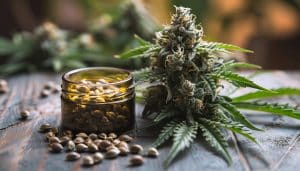
Cannabis seeds, or hemp seeds, are the primary reproductive unit of the cannabis plant, scientifically known as Cannabis sativa. These seeds result from pollination between male and female plants. Once fertilized, the female flowers produce seeds that will eventually become the source of new cannabis plants. The development of cannabis seeds to maturity requires a controlled environment to ensure the quality and genetic potential of the future plants.
Anatomy and Characteristics of Cannabis Seeds
This tiny seed contains everything needed to bring a new cannabis plant to life. Each seed contains an embryo, nutrient reserves, and an outer protective shell. When exposed to ideal conditions—the right temperature and humidity—it germinates, giving rise to a radicle that will anchor itself in the soil and begin the plant’s life cycle.
Genetic Variability and Seed Selection
In the world of cannabis, seed selection is crucial, as it determines not only the plant’s yield but also the levels of active compounds such as THC (tetrahydrocannabinol) and CBD (cannabidiol). Growers often choose their seeds based on specific criteria such as disease resistance, flowering time, or cannabinoid profile. The diversity of seeds available on the market allows for extensive customization according to the needs and preferences of growers and consumers.
Germination process
Germination is the first stage in the life cycle of the cannabis plant following seed dormancy. This process begins when the seed is exposed to favorable humidity and temperature conditions. The seed then absorbs water, swells, and the seed coat splits open to allow the radicle to emerge. This is followed by the development of the stem, which grows toward the light, and the first true leaves will appear, marking the start of photosynthesis—vital for the plant’s continued growth.
Factors affecting germination
Several factors can influence the germination of cannabis seeds, including temperature, humidity, and light quality. Proper control of these factors can maximize germination success rates and ensure a healthy start for the seedlings. Popular techniques include using damp paper, Jiffy pellets, or sowing directly into the chosen growing medium.
Growing cannabis from seeds
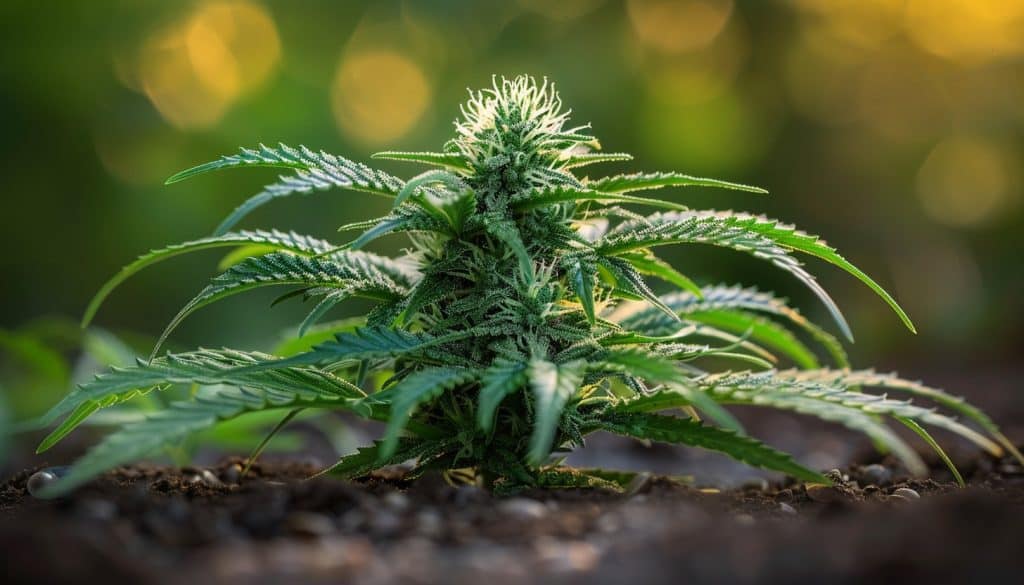
Growing cannabis from seeds can be a rewarding endeavor. It begins with choosing a strain, followed by the germination phase. After transplanting into a growing system—whether soil-based, hydroponic, or aeroponic—the plant goes through several growth stages before reaching maturity. The seed’s ability to develop fully will depend largely on the care it receives throughout these stages.
Farming methods and ecological impacts
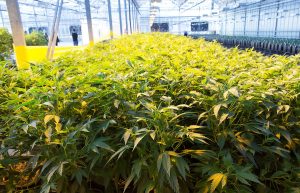
Cannabis cultivation can vary significantly in terms of methods and environmental impact. Practices such as permaculture or the use of organic growing media aim to reduce this impact while optimizing plant health and productivity. Raising growers’ awareness of sustainable practices is crucial to the positive development of the cannabis industry.
- Select high-quality seeds
- Maintain optimal germination conditions
- Choosing the right growing medium and cultivation method
- Use environmentally friendly farming techniques
In conclusion, cannabis seeds carry not only the plant’s genetic heritage but also a range of challenges and opportunities for farmers and researchers. Understanding their characteristics, germination requirements, and optimal cultivation methods can help improve yields and contribute to a more sustainable and responsible industry.