The growth of cannabis seeds fascinates both amateur and professional gardeners alike. This plant, known for its diverse uses and ability to adapt to different climates, follows a specific germination cycle before reaching maturity. Understanding the time required for each phase can help optimize cultivation and ensure a better harvest.
The beginning of the journey: germination
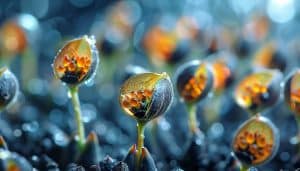
Germination is the first crucial stage in the life of a cannabis seed. This process typically begins when the seed is exposed to sufficient moisture, air, and an appropriate temperature, generally between 20°C and 30°C. Seed activation results in the emergence of the radicle and the first leaves, known as cotyledons. The germination period can vary depending on environmental conditions but usually lasts between 24 hours and 7 days, after which the seedling begins to develop visibly.
The Effect of External Factors on Germination
The results of this phase are strongly influenced by several environmental factors. The choice of growing medium—whether soil-based or not—as well as moisture levels and water quality, play a crucial role. Cannabis seeds respond best to light but consistent watering that prevents waterlogging while maintaining the moisture needed to activate embryonic metabolism.
Seedling establishment
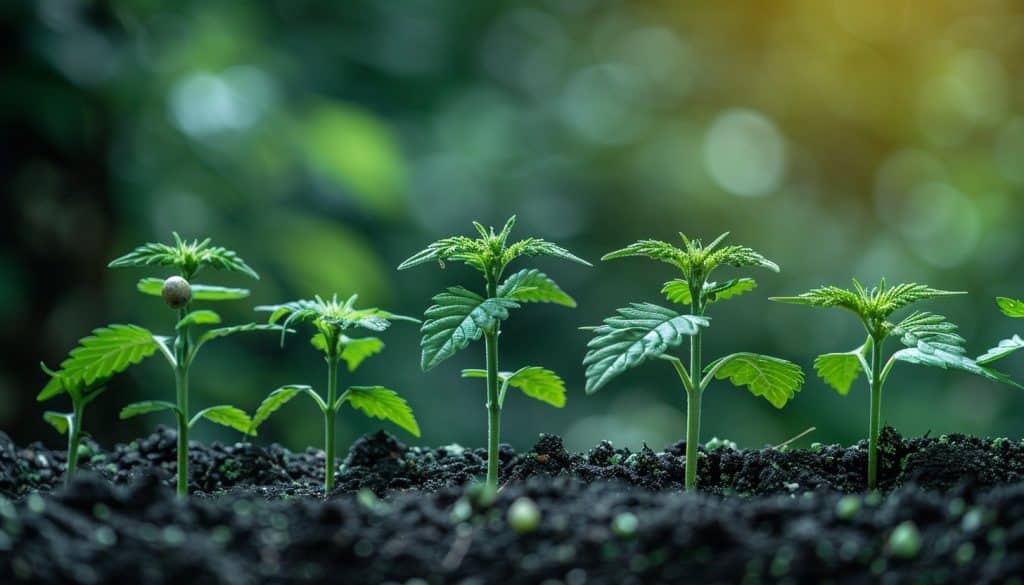
After germination, the young seedling begins to strengthen its main structure. During this period, which generally lasts two weeks, the young plant forms new leaves while expanding its root system. This is when active photosynthesis begins, promoting robust plant development. Adequate light, preferably in the blue spectrum during the vegetative growth phase, ensures proper development of photosynthetic tissues.
Nutrition and First Aid
During this phase of rapid growth, nutrition plays a crucial role. Young plants require essential nutrients such as nitrogen, phosphorus, and potassium, which are available in most commercial cannabis fertilizers. Maintaining a balanced watering routine without overwatering the soil is essential for preventing waterlogging-related diseases and supporting healthy root growth.
Active growth and flowering
As the plant matures, it enters a more active growth phase, which can last anywhere from several weeks to several months. During this period, the plant’s structure becomes more robust, often reaching several meters in height under optimal conditions. The transition to the flowering phase is triggered by a change in the light cycle, with fewer hours of daily light.
Manage the light cycle
To encourage a cannabis seedling to flower, the duration of light exposure must be carefully adjusted. Typically, the plant needs to be switched from an 18-hour light cycle to a 12-hour light cycle to trigger the start of flowering. This process mimics seasonal changes, encouraging the plant to produce flowers.
Common Mistakes to Avoid for Optimal Growth
Every stage of cannabis seed development requires care and precision. Avoiding certain common mistakes helps ensure uninterrupted, healthy growth.
- Overwatering: Roots need oxygen just as much as they need water; too much water can lead to root rot.
- Poor lighting timing: Improper control of the light cycle can delay or disrupt the growth and flowering phases.
- Ignoring the plant's warning signs: Ignoring visual cues such as yellowing leaves or wilting may indicate nutritional deficiencies or pest infestations.
In short, the time it takes for a cannabis seed to grow to maturity varies greatly, but each stage has its own specific characteristics which, if properly managed, will ensure a healthy and productive crop. Carefully examining each phase—from germination to flowering maturity—gives growers the best chance of success.