When considering growing cannabis, one of the first questions that comes to mind is how many seeds you’ll need to get started. Whether you’re planning a small-scale grow or a larger operation, understanding your seed requirements can significantly impact the success of your crops. This guide will provide you with the essential information you need to make that decision.
Factors that determine how many seeds to buy
The number of cannabis seeds you should buy depends on several factors, such as available space, yield goals, and local laws. Each grower must assess their specific circumstances to make the best choice.
Growing goals and available space
The size of your growing space plays a key role in determining how many seeds you’ll need. For a small area, just a few seeds may be enough, whereas a large greenhouse could require dozens or even hundreds of seeds. Also consider the purpose of your grow: is it for limited personal use or a commercial venture? The answer will directly influence the number of seeds required.
Varieties and Their Characteristics
Different cannabis strains behave differently. Some, such as those with a high Sativa content, tend to grow taller, requiring fewer seeds to cover the same area as Indica strains, which are generally more compact. It is crucial to choose the right type of seed to make the most of your space and meet the climate requirements of your region.
Risk Management and Germination Rates
Growing cannabis comes with its share of uncertainties, particularly when it comes to seed germination rates. Understanding these risks will help you determine how many extra seeds to order.
Germination rates and seed quality
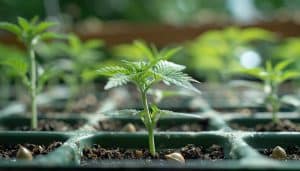
In an ideal world, every seed would germinate without a hitch. Unfortunately, certain factors can affect the germination rate, including the freshness and quality of the seeds. Consider buying a few extra seeds to account for any that might fail to germinate, especially if you’re ordering from a new supplier whose quality standards have yet to be verified.
Potential impact of environmental conditions
Environmental conditions such as temperature and humidity play a major role in successful germination and must be carefully controlled. Sudden changes or unsuitable conditions can significantly reduce the percentage of viable seedlings produced from your seeds. Therefore, allow for some leeway to account for these uncertainties.
Legal considerations and regulations
The purchase and possession of cannabis seeds are governed by laws that vary significantly from one region to another. Understanding these laws is essential for any cultivation project.
Legal limits on seed possession
In some jurisdictions, there are specific limits on the number of seeds an individual may legally possess. Before making any purchase, check local regulations to avoid any violations that could result in penalties.
Number of plants allowed per grower
Equally important, the number of plants you are allowed to grow directly affects the number of seeds you need to order. If the law limits the number of mature plants you can grow at one time, you should take this into account when purchasing your seeds.
Long-term planning and savings
Planning ahead for your future seed needs can lead to substantial savings, especially if you’re planning crop rotations or expanding your garden.
Buying in bulk versus buying in small quantities
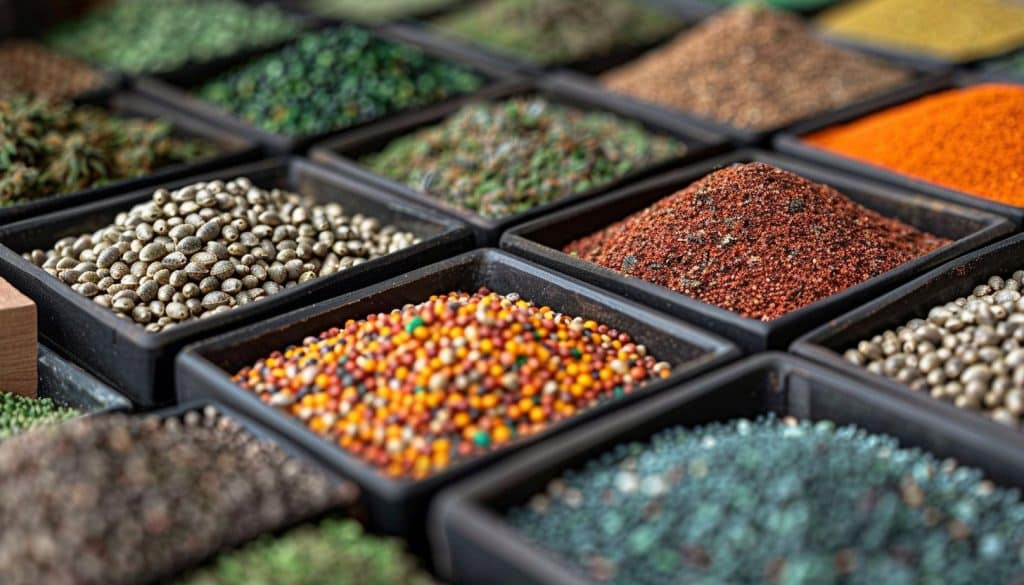
Buying seeds in bulk can often lower the cost per unit, which is beneficial for large-scale projects. However, for a small personal or experimental garden, buying small quantities allows you to try out different varieties without committing too many financial resources.
Long-term seed storage
If you buy extra seeds, make sure you can store them under optimal conditions to maintain their viability until you’re ready to use them. Proper storage generally means a cool, dry, and dark place. Proper storage can extend the shelf life of seeds for several years.